Last updated on: August 13, 2026
Key Takeaways
- Runners struggle with tight hip flexors due to repetitive movements, leading to discomfort and reduced mobility.
- Kinesiology tape supports hip flexors by providing light support, enhancing body awareness, and reducing muscle tension.
- A simple taping pattern involves applying one vertical and one diagonal strip of kinesiology tape for effective support.
- Runners may experience tight hip flexors from muscle fatigue; targeted stretches help improve flexibility.
- Kinesiology tape complements recovery efforts but doesn’t replace proper stretching and strength training for hip flexors.
Why Runners Struggle with Tight Hip Flexors
The hip flexors are a group of muscles at the front of the hip—including the iliopsoas, rectus femoris, and sartorius—that help lift the thigh and stabilize the hip during running. Because runners perform thousands of repetitive strides, these muscles often become tight, strained, or overworked, leading to discomfort or reduced mobility (Cleveland Clinic).
When hip flexors tighten up, they can pull on the pelvis and affect stride efficiency. According to Verywell Health, overuse injuries in this muscle group are common in athletes who rely heavily on sprinting or long-distance training (Verywell Health).

Why Athletes Use Kinesiology Tape on Hip Flexors
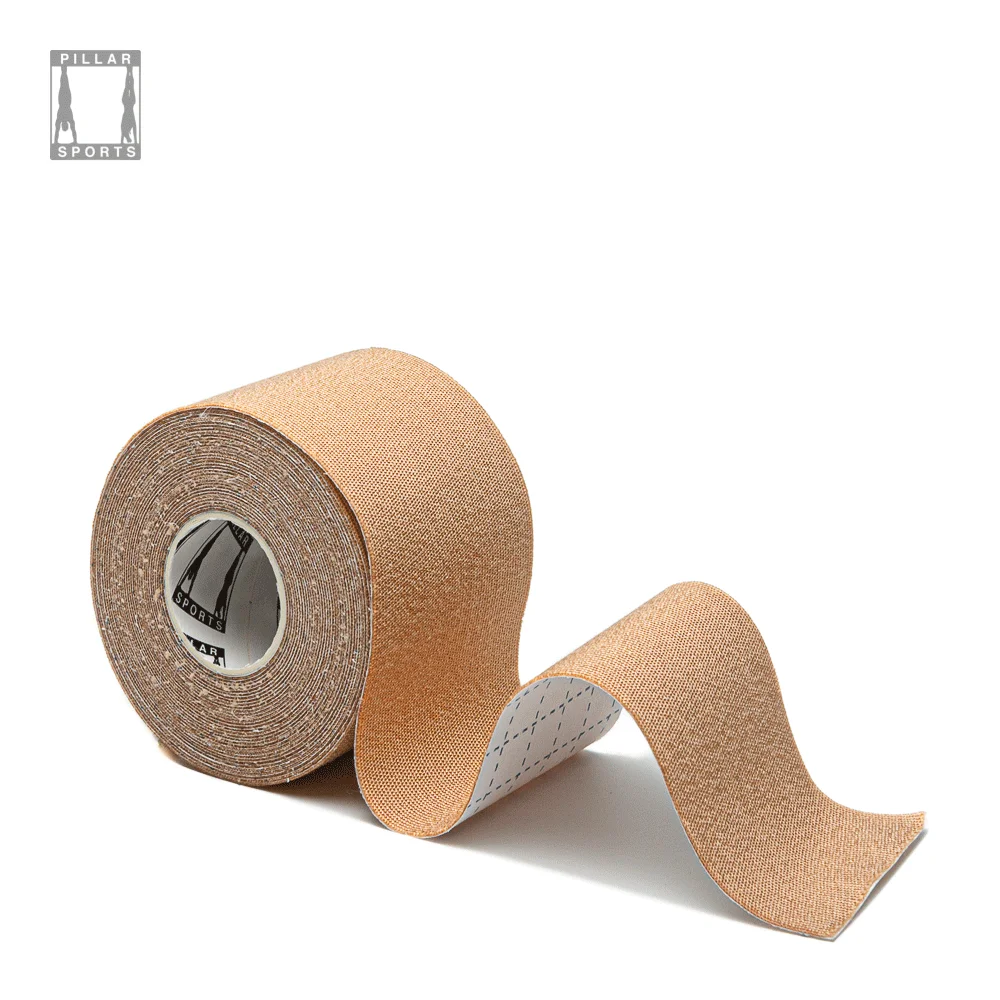
Kinesiology tape (often called “K tape”) is a stretchy, lightweight tape designed to move with the body. Runners often apply it to:
- Provide light support without restricting movement.
- Enhance proprioceptive feedback, helping the body stay aware of hip movement.
- Reduce tension in overworked muscles, complementing stretching and recovery routines.
Unlike rigid sports tape which is better for structural stability in contact sports while kinesiology tape is ideal for runners who want support without limiting stride length or speed.
We offer fast shipping of kinesiology tape in Hong Kong and kinesiology tape Singapore.
Basic Kinesiology Taping Pattern for Runners
Step 1: Prepare the Tape
Cut two full strips of KT tape. Keep them within reach and have the hip slightly extended so the front of the hip is lengthened.
Step 2: Create the Base
Twist and tear the paper backing about 2–3 cm from one end to expose the anchor.
Apply this anchor on the upper thigh with zero stretch, keeping the tape clear of sensitive areas.
Step 3: Apply Strip #1 (Primary Line)
Peel the backing paper until only the last 2–3 cm remain attached for holding.
Apply the tape upward along the front of the hip with approximately 25% stretch.
Finish by laying down the end of the strip with no stretch.
Step 4: Apply Strip #2 (Reinforcement Line)
Repeat the same process with your second strip to create additional coverage:
- Anchor the base on the upper thigh with no stretch
- Apply the tape diagonally across the hip flexor area with about 25% stretch
- Smooth down the final anchor with no stretch
(This second strip is optional for smaller or leaner individuals—one strip may be enough.)
Step 5: Activate the Adhesive
Rub the tape gently to warm the adhesive so it grips well during running or training.
This taping method provides gentle input to the muscles involved in hip flexion, helping runners stay aware of hip movement during training. Always adjust tape tension based on comfort.
Kinesiology Tape vs. Rigid Tape for Hip Support
| Feature | Kinesiology Tape | Rigid Tape |
| Support Type | Light, dynamic | Firm, restrictive |
| Best For | Runners, mobility, overuse soreness | Contact sports, structural joint support |
| Comfort | Breathable, moves with the body | Tighter, less flexible |
| Duration | Can last 2–3 days | Usually game or session only |
Why Your Hip Flexors Feel Tight After Running
It’s not always an injury, sometimes it’s just repetition and muscle fatigue. Long periods of sitting, combined with regular training, can shorten and stiffen the hip flexors. WebMD notes that targeted stretches like lunges, pigeon pose, and kneeling hip flexor stretches can improve flexibility and reduce pain.
Research shows that hip flexor injuries make up 5–28% of athlete-related hip problems, particularly in high-strain sports like soccer and running (PubMed).
Some runners also experience tension that feels similar to tight hip flexors but actually originates from the back of the hip. If that sounds familiar, our Sciatica Taping Guide explains simple KT tape patterns that support posture and movement awareness.
When to Use Sports Tape vs. When to Rest
Sports tape should be viewed as a supportive tool, not a cure. Use it when:
- You’re running through mild soreness or tightness.
- You want extra awareness of hip movement during training.
- You’re transitioning back from rest and need confidence without restriction.
If pain persists, rest and consult a physiotherapist before resuming training.
Conclusion: Tape to Support, Not Replace Recovery
For runners and athletes, kinesiology tape for hip flexors offers a flexible, lightweight way to manage discomfort and stay mobile. It’s not a substitute for recovery, stretching, or strength training—but it can help you log miles with less strain.
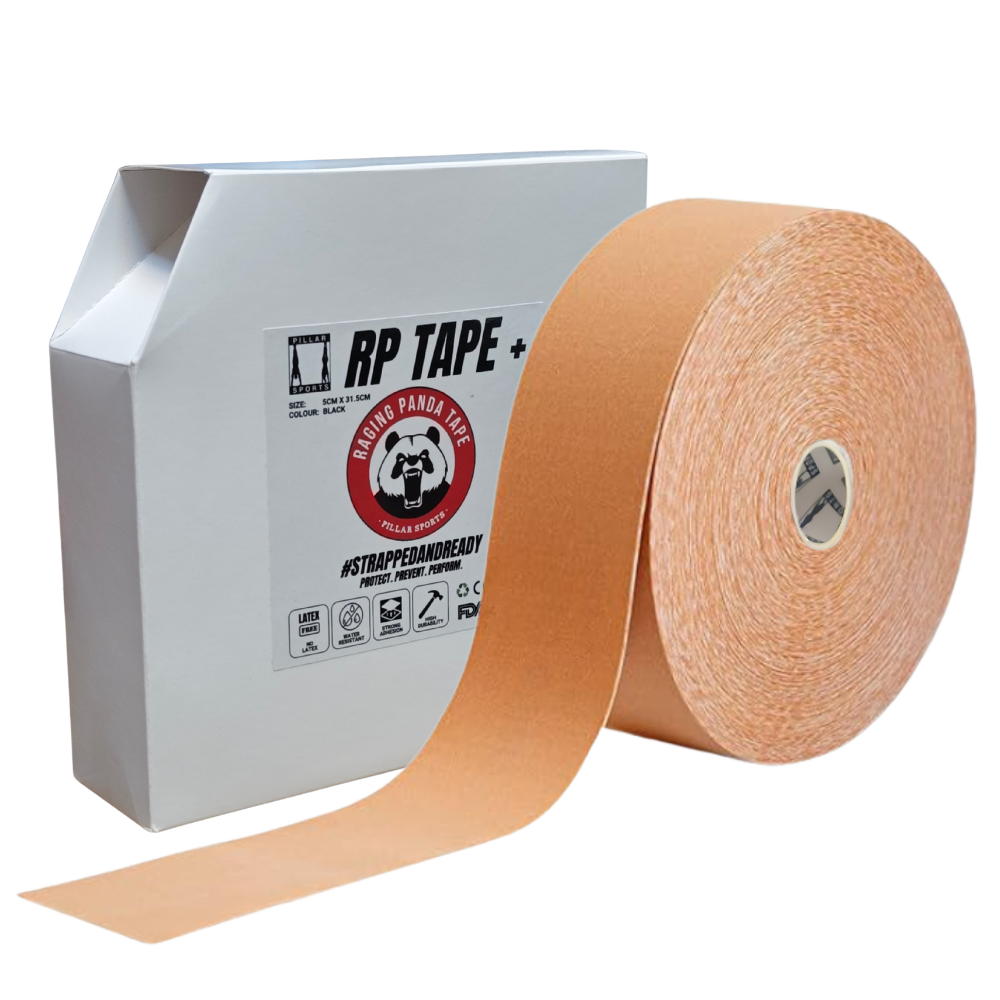
Looking for durable kinesiology tape? Explore our Kinesiology Tape Collection designed for runners and athletes or view our Sports Tape Collection.
For a full step-by-step walkthrough of lower back and hip taping techniques, see our KT Tape for Lower Back and Hip Pain: A Complete Guide for Athletes. This resource covers broader taping strategies trusted by rugby, CrossFit, and running athletes.
Frequently Asked Questions
Yes. KT tape is commonly used by runners to add light support, improve body awareness during movement, and reduce tension on overworked hip flexor muscles. It doesn’t treat the cause, but it can complement stretching and mobility routines.
A two-strip KT tape pattern—one vertical and one diagonal reinforcement strip—is widely used because it supports the hip flexor without limiting stride length.
Most kinesiology tape lasts 2–3 days if the skin stays dry and sweat-free. Many runners reapply after hard sessions or long-distance runs.
Many athletes tape before running to improve awareness and support during motion. After running, stretching and recovery should come first before reapplying tape.
Common signs include reduced hip extension, stiffness during stride, or tightness after sitting. Tape may help provide light support, but mobility work is still essential.
Sources