MARCH MADNESS: Automatically claim your 4 Free Turf Tape Strips & 1 can of Perskindol Cool Spray if you spend HK$600 on Cart!

Please be very aware that this information is neither intended nor implied to be a substitute for professional medical advice. Always seek the advice of your doctor or other qualified health professional before starting any new treatment or with any questions you may have regarding a medical condition.
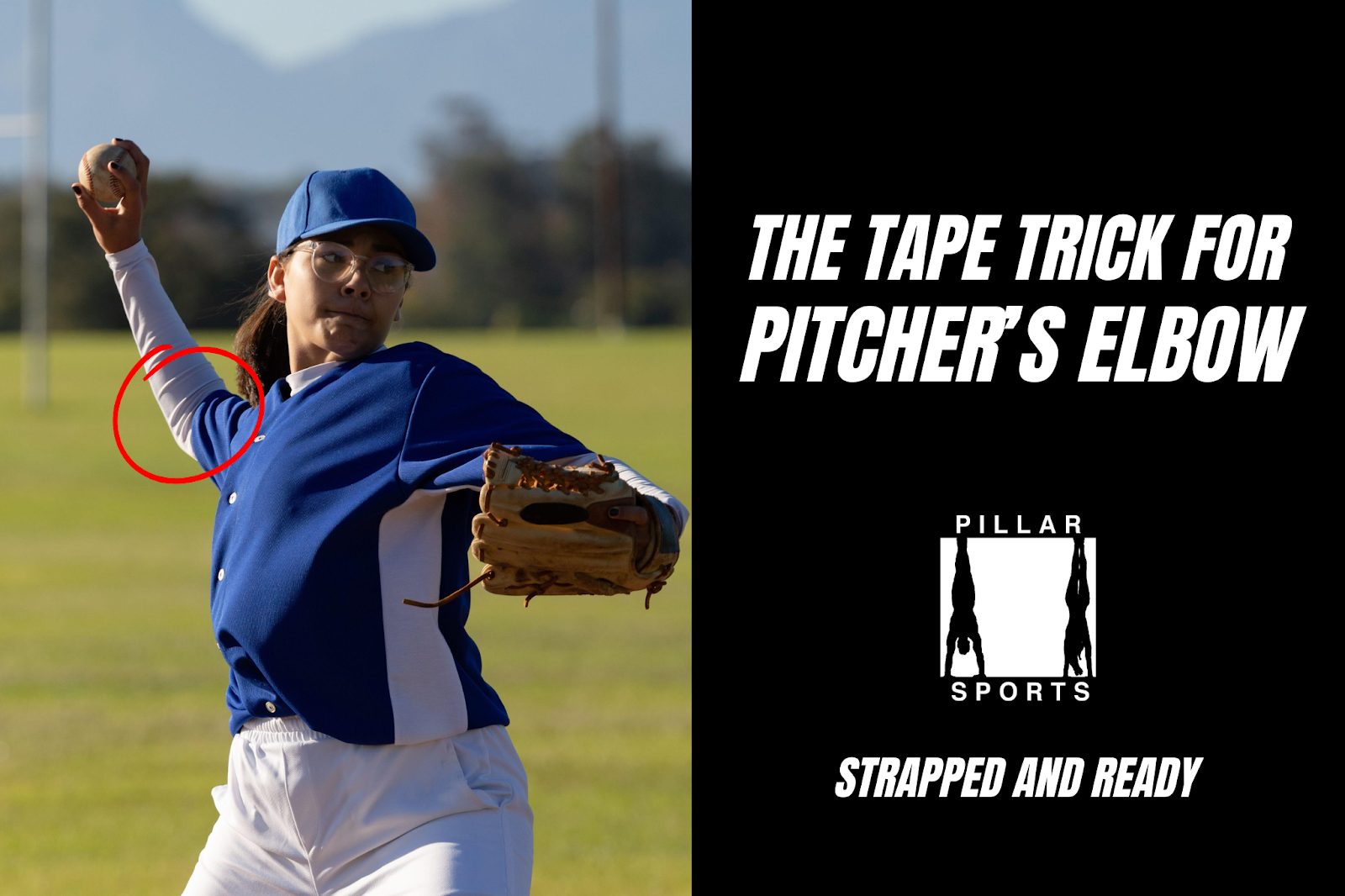
How to Prevent Pitcher’s Elbow with Sports Tape: Support for Baseball and Throwers

Facebook
Twitter
LinkedIn
Email
pitcher's elbow injury

Table of Contents

Last updated on: March 10, 2026

Key Takeaways

  • The Overuse Epidemic: Pitcher’s Elbow (Medial Epicondyle Apophysitis), also known as “Little Leaguer’s Elbow,” is a repetitive stress injury affecting the inner elbow. It is most common in athletes aged 9–14 whose growth plates are not yet fully developed.
  • The “Pop” and “Lock” Warning Signs: While it often starts as a gradual ache, severe cases can result in a sudden “pop” or tearing sensation. If your elbow feels “locked,” “stuck,” or you struggle to straighten your arm fully, stop throwing immediately and seek medical evaluation.
  • The Risk of Curveballs: Breaking pitches and curveballs place significantly higher torsional stress on the developing growth plate. Youth pitchers are advised to master the fastball and change-up first before introducing high-stress off-speed pitches.
  • Performance as a Diagnostic Tool: One of the first signs of Pitcher’s Elbow isn’t just pain—it’s a drop in velocity, loss of accuracy, or “sailing” pitches. If your arm feels fatigued or your performance dips, it’s a signal from your body to rest before a structural injury occurs.
  • Prevention through the “Kinetic Chain”: Pitching is a full-body movement. Strengthening the legs, hips, and core reduces the “force-generation” burden on the small ligaments of the elbow. A weak lower body forces the arm to do all the work, leading to early failure.
  • Strategic Support & Recovery: * Rigid Tape: Use for structural support to prevent hyperextension during high-impact sessions.
    • EAB & Compression: Essential for managing post-game inflammation and swelling.
    • The “4-Month Rule”: To avoid permanent growth plate damage, young athletes should take at least 4 months off from competitive overhead throwing per year.

Every pitch puts stress on the elbow. For baseball players, softball pitchers, and other throwing athletes, the ulnar collateral ligament (UCL) on the inner side of the elbow takes the brunt of that force. Over time, this repetitive strain can lead to what’s often called pitcher’s elbow.

While proper training and recovery are key, many athletes turn to sports tape for added support. Whether it’s kinesiology tape for mobility or rigid tape for stronger reinforcement, taping the elbow can help reduce strain and keep players confident on the mound.

👉 For athletes who also deal with elbow hyperextension, see our Step-by-Step Elbow Strapping Guide for a comprehensive taping method used across combat and field sports.
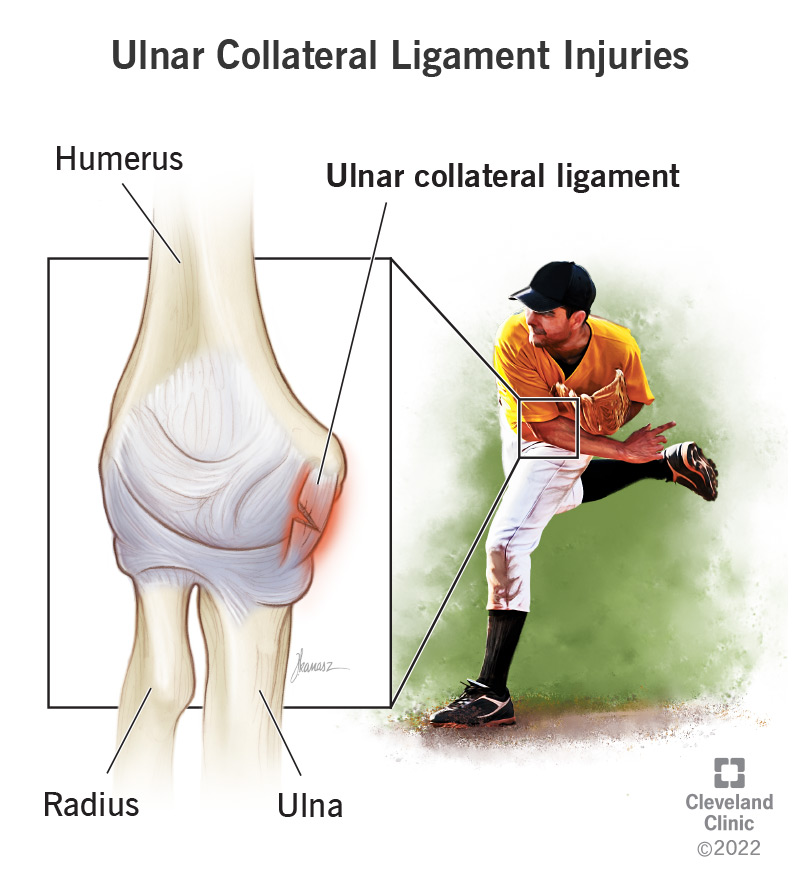
ulnar collateral ligament injuries from cleveland clinic

What Is Pitcher’s Elbow?

Pitcher’s elbow refers to stress and pain on the medial (inner) side of the elbow, where the UCL provides stability during throwing. According to the Cleveland Clinic, UCL injuries are common in pitchers and throwers due to repetitive valgus stress—where the elbow bends outward under force.

Overuse can lead to:
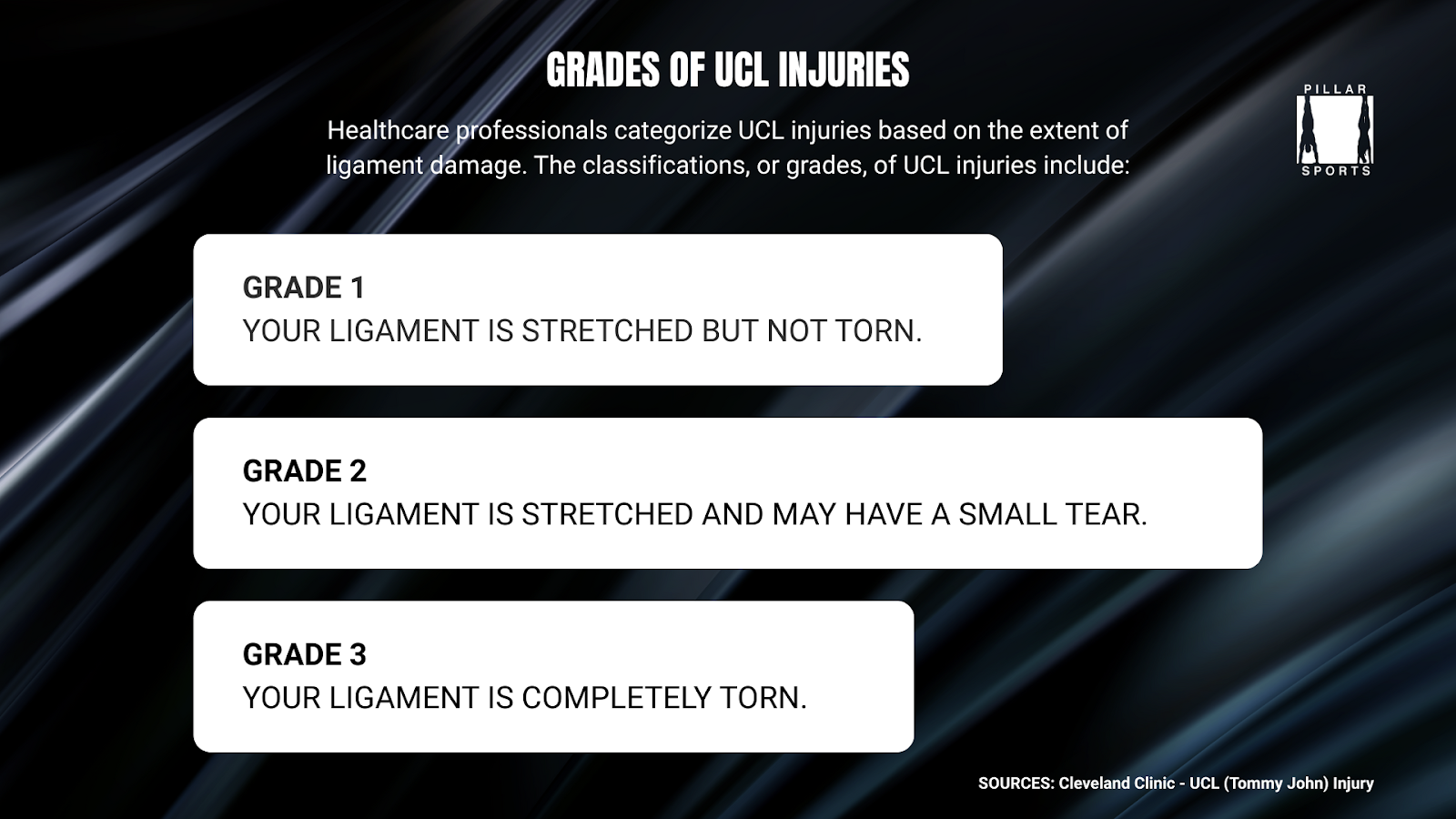
  • Mild strain – discomfort after long throwing sessions.
  • Partial tears – instability or weakness during throwing.
  • Complete tears – requiring medical evaluation and often surgical repair.
Grades of UCL Injuries

Why Use Sports Tape for Elbow Support?

Sports tape doesn’t prevent injuries outright, but it can:

  • Provide extra reinforcement to the medial elbow.
  • Reduce strain on the UCL during repetitive throws.
  • Improve proprioceptive feedback, helping athletes control motion.
  • Offer confidence to throw without hesitation.

Taping is especially useful as a preventative tool for pitchers logging high innings or throwers training daily.

Kinesiology Tape vs. Rigid Tape for Throwers

FeatureKinesiology TapeRigid Tape
Support TypeElastic, flexibleFirm, restrictive
Best ForPrevention, long innings, mobilityReturn-to-play, stronger support
ComfortBreathable, stays on during gamesSecure but restrictive

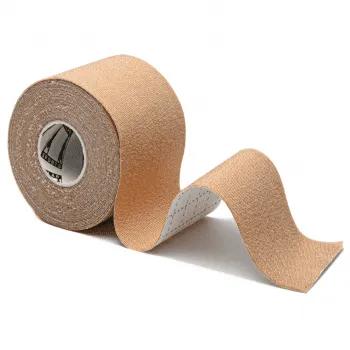
Rigid Tape:
Our Rigid Tape provides stronger restriction of motion, making it a better choice for athletes returning from strain or needing maximum stability for short bursts of play.
Kinesiology Tape (Elastic Tape):
Products like our RP K Tape and Raging Panda Kinesiology Tape are ideal for throwers who want light support and full range of motion.
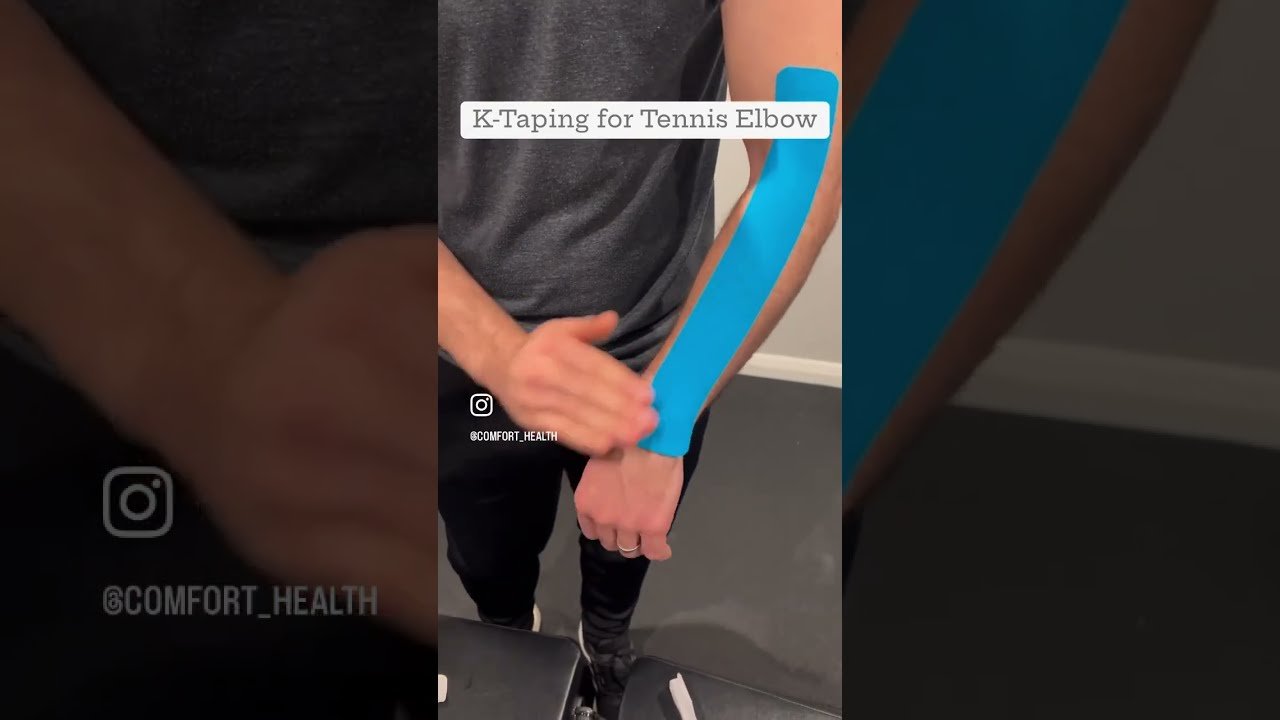
How to Tape for Pitcher’s Elbow (Step-by-Step)

YouTube thumbnailYouTube icon

When to Tape vs. When to Rest

  • Tape: For prevention, mild soreness, or added confidence during games.
  • Rest/Physio: If pain persists, mobility is limited, or mechanics are affected.
  • Medical evaluation: Always required for suspected UCL tears or ongoing instability.

Conclusion

Pitcher’s elbow is one of the most common overuse problems in throwing sports. By using kinesiology tape for mobility or rigid tape for stronger support, athletes can reduce strain on the UCL and protect their performance.

👉 Shop our sports tape collection today:

And for athletes battling elbow hyperextension, don’t miss our Step-by-Step Elbow Strapping Guide.

Sources
Join 1,000+ athletes already training with Pillar Sports tape.

No spam. Unsubscribe anytime.