
Automatically claim your 1 can of Perskindol Cool Spray if you spend HK$800 on Cart!
Please be very aware that this information is neither intended nor implied to be a substitute for professional medical advice. Always seek the advice of your doctor or other qualified health professional before starting any new treatment or with any questions you may have regarding a medical condition.

Last updated on: March 10, 2026
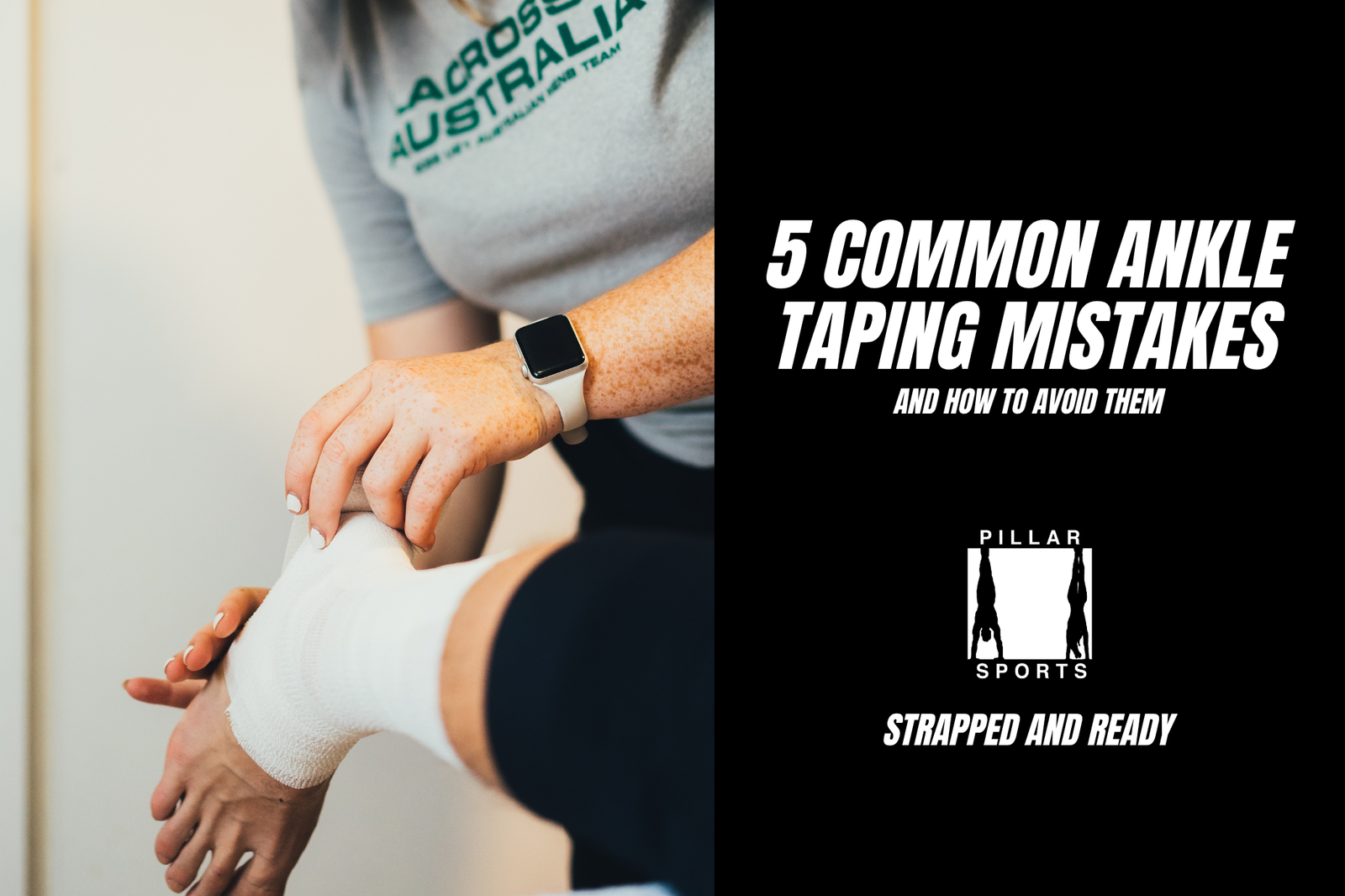
Whether you’re returning from an ankle sprain or trying to prevent one in the first place, sports tape ankle support remains a trusted tool among athletes and physios.
While braces offer convenience, tape provides a custom-fit level of support that can be tailored to your movement, anatomy, and sport.
If you’re wondering whether to tape or brace, or how athletic tape compares to kinesiology tape for the ankle, you’re in the right place. This guide breaks down your options, including when to tape, what tape to use, and how it stacks up against ankle braces.
And if you’re taping regularly, make sure you’re avoiding the most common ankle taping mistakes that reduce stability and support.
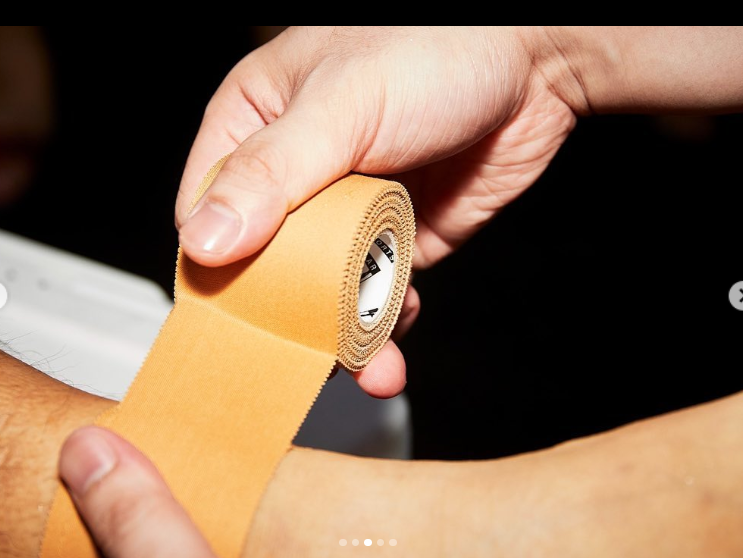
Taping is most useful during the rehab and return-to-play phases of a sprain.
The goal is to:
So when to tape a sprained ankle?
After the initial swelling has reduced (post-acute phase) and movement is gradually reintroduced. Taping is especially helpful before training, matches, or competitions where the ankle will be under load.
Learn more about how to manage a sprained ankle safely with this overview from Mayo Clinic.
Important: Always consult a physio before taping a freshly injured ankle. Taping too soon—or with poor technique—can worsen the issue.
The ankle brace vs tape debate often comes down to context:
| Factor | Ankle Brace | Sports Tape |
|---|---|---|
| Setup | Quick & reusable | Requires skill & time |
| Fit | General sizing | Custom-fit each use |
| Restriction | Moderate | High (adjustable) |
| Comfort | May feel bulky | Sleek, flexible layering |
| Best for | Daily use or mild instability | Game day, high-stakes activity |
Verdict:
For a deeper look at actual taping steps, check out our full guide:
There’s also confusion between athletic tape (rigid) and kinesiology tape (stretchy).
Here’s how they compare:
| Feature | Rigid Tape | Kinesiology Tape |
|---|---|---|
| Stretch | No stretch | 30–40% stretch |
| Support Type | Structural | Neuromuscular |
| Duration | Short (before & during play) | Long (can wear for days) |
| Feel | Firm, restrictive | Light, breathable |
Use athletic tape when you need firm stability—like during rugby, basketball, or volleyball.
Use kinesiology tape if you’re in the late rehab phase, or need pain relief, sensation priming and light compression.
Explore our range of Rigid Tape and Kinesiology Tape on our Online Shop!
Many athletes combine both: kinesiology tape for baseline support, then layer athletic tape on top for added restriction.
Look for:
Pillar Sports stocks athlete-tested tapes that hold up under heat, sweat, and high impact.
Explore ankle tape options →
Taping is more than wrapping a roll around your ankle. If done right, it enhances performance and reduces injury risk. But knowing when to use tape, and what type, is just as important.
From choosing between braces and tape, to picking the right material, your strategy should match your sport, your ankle history, and your stage of recovery.
Want to learn how to apply ankle tape step-by-step?
Read our full tutorial: How to Sports Tape an Ankle
For more clinical insight on when to use ankle taping during injury rehab, you can also check:
Physiopedia: Ankle Taping — A trusted resource used by physiotherapists worldwide.
Enter your details below. We’ll send the template to your inbox and occasionally share useful kit ordering guides — no spam, unsubscribe anytime.
By downloading you agree to receive occasional emails from Pillar Sports. Unsubscribe anytime.
By submitting this form you agree to our Terms & Conditions and Privacy Policy.