Last updated on: September 22, 2026
What Is Athletic Tape?
Athletic tape is used to support or protect part of the body during sport. The right type depends on what you need it to do: rigid tape limits movement around a joint, elastic adhesive tape offers support with some stretch, and kinesiology tape moves with the body. They are not interchangeable.
This guide explains what athletic tape is used for, how the main types differ, and how to choose a tape for common sporting situations. If you are managing an injury or returning to play, ask a qualified healthcare professional which technique and level of support are appropriate for you.
What Is Athletic Tape Used For?
Athletes and sports practitioners use tape for different purposes: limiting unwanted movement around a joint, securing a dressing or underlayer, protecting skin, or supporting an area while allowing movement. The result depends on the tape, the application technique and the individual athlete.
“Sports tape” is an umbrella term. When someone says “athletic tape,” they may mean rigid white strapping tape, an elastic adhesive bandage or kinesiology tape. Before choosing a roll, decide what you need the tape to do—not just where you plan to apply it.
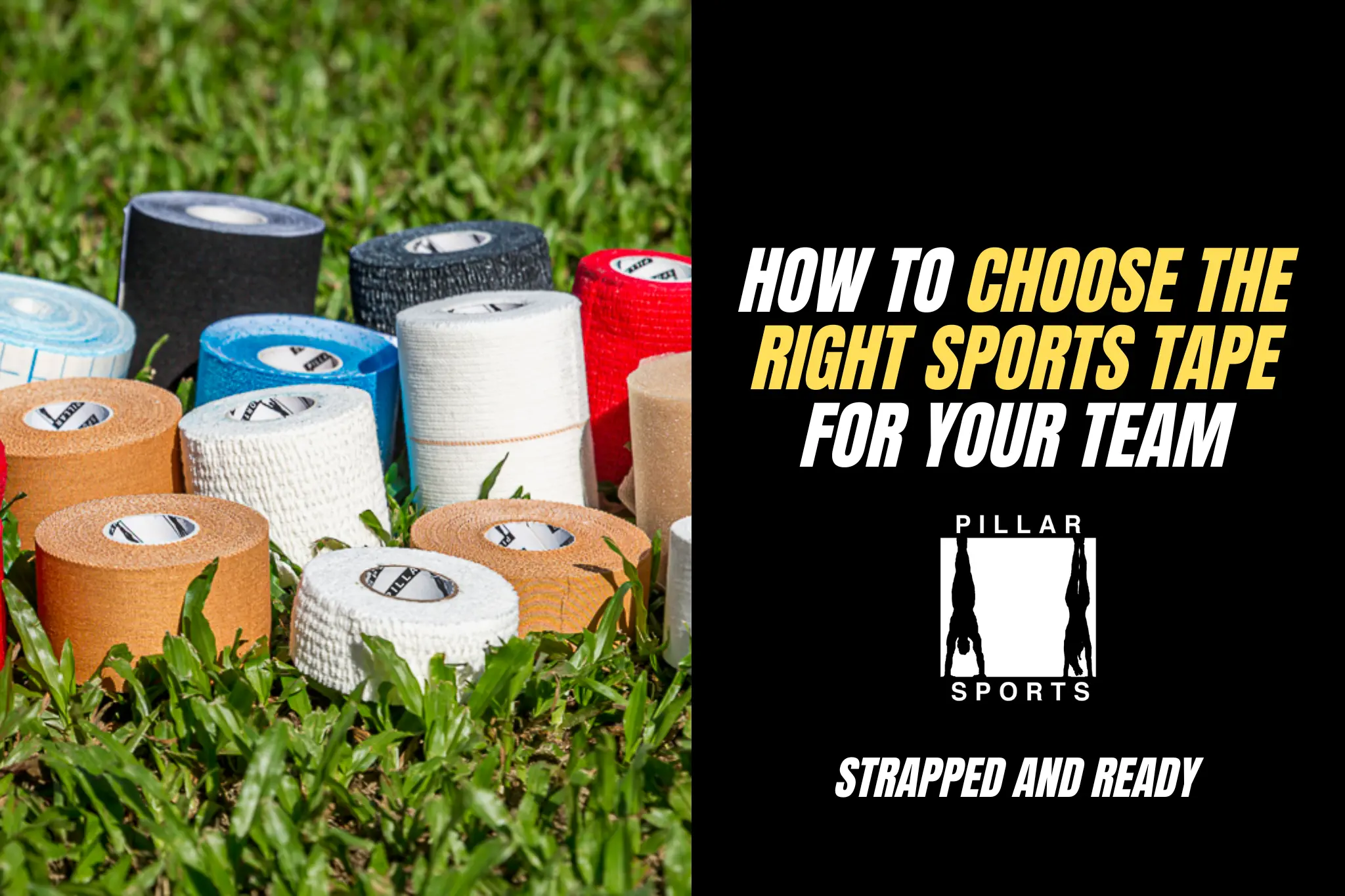
The Main Types of Athletic Tape
Which Athletic Tape Should You Choose?
| What you need | Type to consider | Where to go next |
|---|---|---|
| Firm support that limits unwanted joint movement | Rigid athletic or zinc oxide tape | See Pillar Sports rigid tape |
| Support with some stretch | Elastic adhesive bandage, such as Lite EAB | See Lite EAB |
| A flexible tape that moves with the body | Kinesiology tape | Explore kinesiology tape |
| A protective layer beneath a taping application | Foam underwrap or an appropriate underlayer | See foam underwrap or Fix-It tape |
The correct choice also depends on the body area, application technique, skin tolerance and advice from your sports medicine practitioner. If you are unsure, start with the specific taping guide for your sport or body area.
Buying tape for yourself? Compare the products above and choose the type suited to your application.
Buying for a club, school or clinic? Explore Pillar Sports’ bulk sports tape supply for team orders and recurring needs.
Rigid Athletic Tape (Zinc Oxide Tape)
This is what most people picture when they hear “athletic tape.” Rigid tape — typically made from zinc oxide — is firm, non-stretch, and provides strong structural support. It’s the standard for athletic tape for ankles, thumbs, and fingers, where limiting unwanted joint movement is the goal.
Rigid tape is the go-to for:
- Ankle sprains and instability
- Thumb and finger injuries in rugby and basketball
- AC joint support in contact sports
- Wrist stabilization in weightlifting and CrossFit
It does not stretch with your body, which is exactly the point. The resistance is what creates the support.
Elastic Adhesive Bandage (EAB)
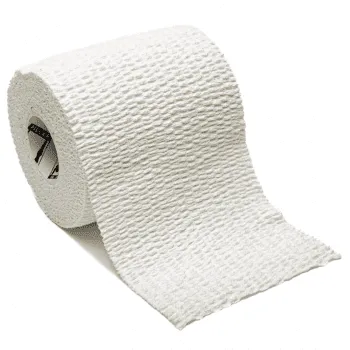
EAB is a stretch tape with strong adhesion — more flexible than rigid tape, but still supportive. It’s commonly used as an underwrap layer beneath rigid tape or finishing tape to lock your taping in, or on its own where moderate support with some freedom of movement is needed. Many rugby and football players use EAB to strap shins, thighs, or shoulders where full rigidity would be impractical.
Kinesiology Tape
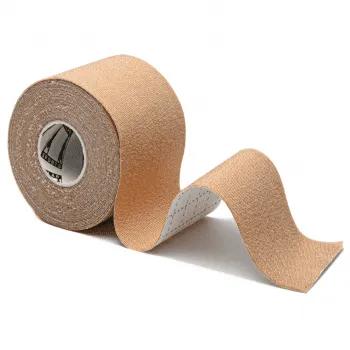
Kinesiology tape — often called “kinesio tape” or “K-tape” — is a thin, highly elastic tape that stretches close to the same degree as human skin. It’s designed to sit on the skin for days at a time and is used primarily for soft tissue support, lymphatic drainage, and proprioceptive feedback (essentially, helping your body “feel” where a joint is in space).
🎯 This makes it especially popular in running, CrossFit, hyrox, and martial arts, where athletes want support without restricting range of motion.
Underwrap / Pre-Wrap Foam
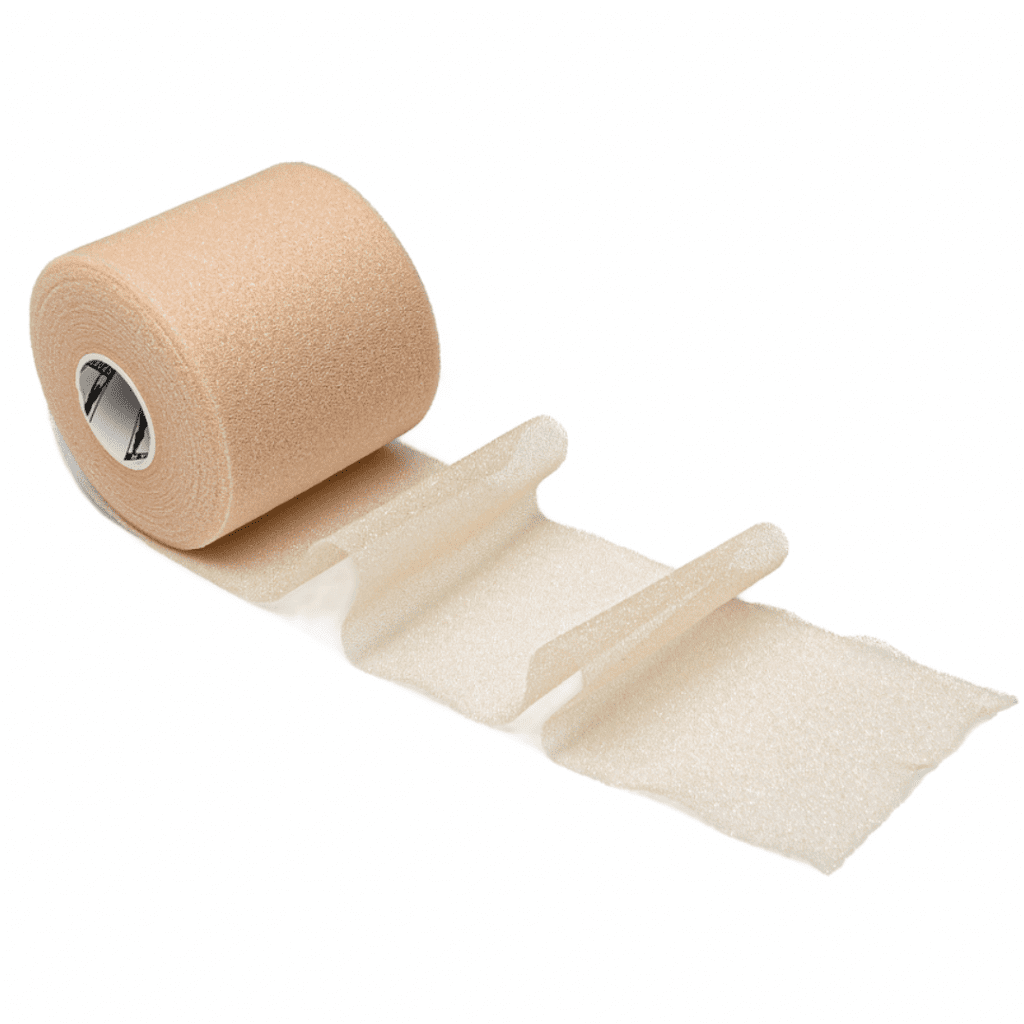
Not tape in the adhesive sense, but used as a protective base layer beneath rigid or EAB tape. Pre-wrap protects the skin from irritation during removal and prevents the adhesive from pulling directly against hair or sensitive skin.
Athletic Tape vs. Kinesiology Tape: Which One Do You Need?
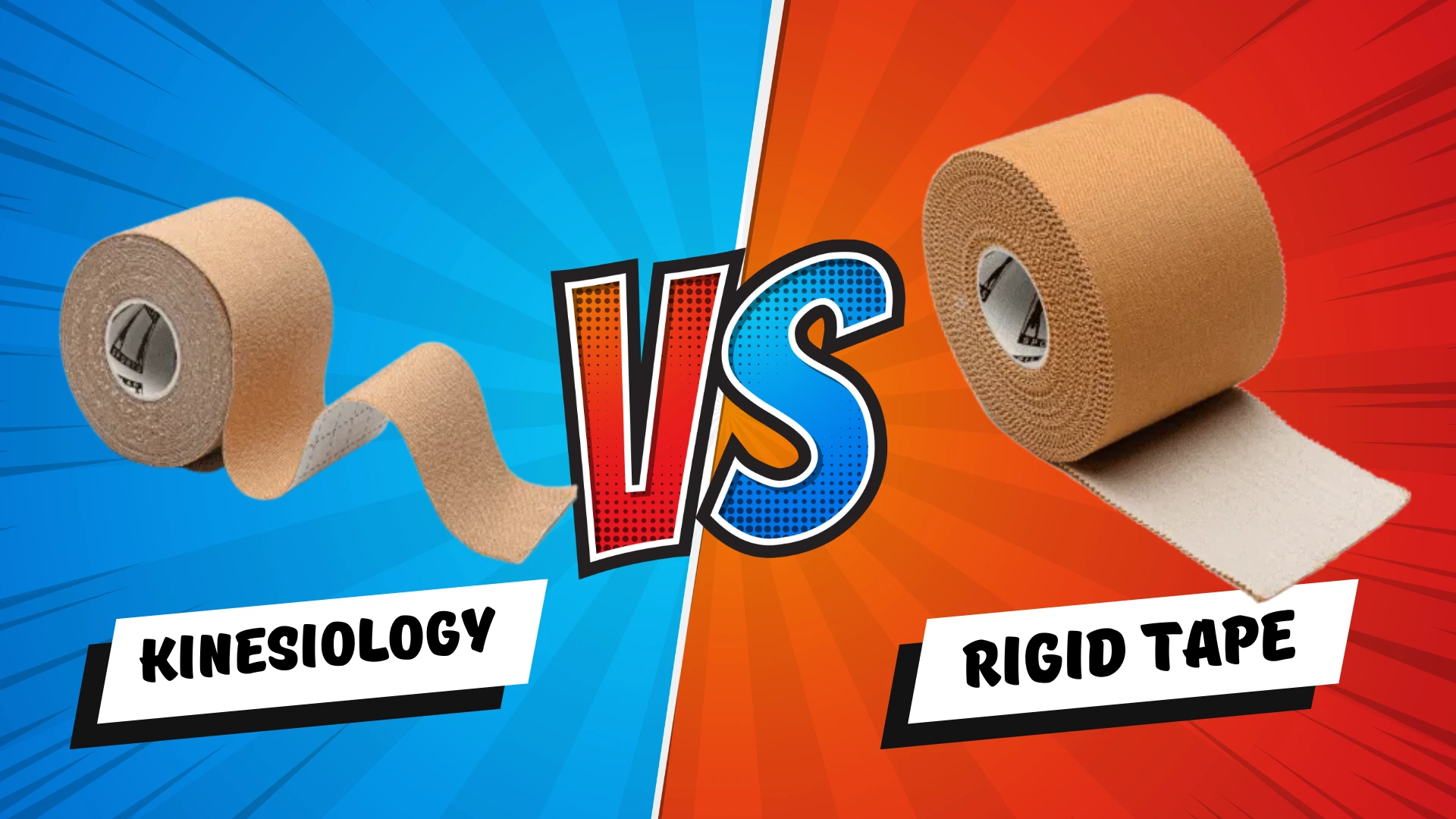
This is one of the most common questions athletes ask. The short answer: they serve different purposes.
Choose rigid athletic tape when:
- You need to structurally stabilize a joint (ankle, wrist, thumb)
- You’re playing a contact sport with high collision risk
- You’re recovering from a sprain and need hard limits on movement
- The application needs to hold up under significant external force
Choose kinesiology tape when:
- You want support without restricting range of motion
- You’re managing a muscle strain, tendon irritation, or swelling
- You need the tape to stay on across multiple training sessions or days
- You’re doing endurance or technical sport where full mobility matters
The two aren’t mutually exclusive — some athletes use rigid tape on a specific joint and kinesiology tape on surrounding muscles in the same session.
💡 Pro Tip: Round off the corners of every strip before applying rigid tape. Square corners are the first thing to lift under sweat and friction — trimming them adds significant wear time, especially during contact play.
How to Use Athletic Tape: The Basics
Athletic taping is a skill. Done well, it provides real protection. Done poorly, it either falls apart mid-game or cuts off circulation. Here are the fundamentals that apply to any taping job.
Before You Apply
- Clean and dry the skin. Sweat and oil will reduce adhesion significantly.
- Apply pre-wrap or hypo fix-it if needed. If you have sensitive skin or significant body hair, a layer of foam pre-wrap under the tape will make removal far less painful.
- Position the joint correctly. For ankles, this typically means a neutral position — foot at 90 degrees. Don’t tape a joint in a stressed or over-flexed position.
- Tear your strips in advance. Having your pieces ready means you’re not fumbling mid-application.
Applying the Tape
- Start with anchor strips — clean strips applied to the skin above and below the target joint. These give the support strips something secure to attach to.
- Apply support strips in the direction that limits the movement you’re trying to prevent.
- Overlap each strip by roughly 50% to avoid gaps.
- Finish with closing strips over the top to lock the whole structure down.
- Check for pressure points immediately. Run two fingers along the edges. Nothing should feel pinched or like it’s cutting in.
Checking Circulation
After taping, ask the athlete to wiggle their toes (for ankle taping) or fingers (for wrist/hand taping). Sensation should be normal. Any numbness, tingling, or skin color change means the tape is too tight and needs to come off.
Athletic Tape for Ankles
Ankle taping is the most common athletic taping application across almost every sport. The goal is to limit inversion — the inward rolling motion that causes most ankle sprains — while keeping the foot mobile enough to run, cut, and jump.
A basic closed basket-weave technique using rigid zinc oxide tape is the standard approach. For match day, most players apply fresh tape over clean, dry skin. For training, some athletes use a lace-up ankle brace as a practical alternative that offers similar support without the cost of daily tape.
Ankle Braces vs. Athletic Tape — Which Should You Use?
Athletic Tape for Wrists
Athletic tape for wrists is commonly used in CrossFit, weightlifting, martial arts, and gymnastics. The wrist is a complex joint that handles enormous load in activities like cleans, jerks, handstand walks, and grappling — and rigid tape reduces the hyperextension risk during heavy lifts or falls.
For wrists, the tape is typically applied in a figure-eight pattern, covering the back of the hand and wrapping around the wrist in a way that limits backward bend without blocking the grip.
Taping by Sport: Quick Reference
| Sport | Common Applications | Tape Type |
| Rugby | Ankles, thumbs, fingers, shoulders, knees | Rigid, EAB |
| Football | Ankles, knees | Rigid, EAB |
| Basketball | Ankles, fingers | Rigid |
| CrossFit | Wrists, knees, shins | Rigid, Kinesiology |
| Martial Arts | Wrists, knuckles, feet | Rigid, Kinesiology |
| Running | Knees, IT band, Achilles | Kinesiology |
How Long Does Athletic Tape Last?
Rigid athletic tape is typically designed for single-session use. It’s applied fresh before training or competition and removed afterwards. Leaving rigid tape on for extended periods can cause skin maceration, irritation, and reduces the effectiveness of subsequent applications.
Kinesiology tape, by contrast, is designed to stay on for two to five days. It’s water-resistant and maintains adhesion through sweat and showering when applied correctly.
Removing Athletic Tape
Removal matters as much as application. Pulling tape off quickly at an angle — in the direction of hair growth — causes less skin trauma than peeling it back slowly. Specialized tape remover spray is worth having if you’re taping frequently, particularly on areas with dense hair.
Never rip tape straight off a joint. Always support the skin below with your free hand while removing with the other.
Final Thoughts
Athletic tape is one of the most practical, affordable tools in any athlete’s kit. Whether you’re strapping an ankle before a club match, protecting a thumb during grappling, or supporting a wrist through a heavy lifting session, choosing the right tape and applying it correctly makes a real difference in both protection and performance.
The key decisions are straightforward: rigid tape for structural joint support, kinesiology tape for soft tissue and mobility, and EAB where you need something in between. Get the application basics right — clean skin, correct joint position, proper anchor strips, circulation check — and you have a reliable tool that earns its place in the bag every session.
Browse our full range of sports tape for athletes at Pillar Sports — from rigid zinc oxide tape through to kinesiology tape, stocked and ready to ship.
Running a club or team and need tape in volume? See how bulk tape ordering works for clubs — we work with clubs across multiple sports on supply arrangements that make sense at scale.
Find the Right Tape for Your Next Session
If you need tape for your own training or match, start with the type that suits the job: explore Pillar Sports’ sports tape range, or follow the product links in the comparison above.
If you purchase tape for a team, club or clinic, see how Pillar Sports supplies sports tape in bulk. You can review the supply options before requesting a quote.
Related Searches
what is athletic tape used for how to tape an ankle with athletic tape athletic tape vs kinesiology tape difference best sports tape for contact sports how to use sports tape for wrists how long to leave athletic tape on athletic taping techniques for beginners types of sports tape explained
Sources
- Role of Ankle Taping and Bracing in the Athlete — British Journal of Sports Medicine / PMC
- Guidelines for Application of Kinesiology Tape for Prevention and Treatment of Sports Injuries — Healthcare / PMC
- Kinesiology Tape: What It Is and How to Use It — Hospital for Special Surgery (HSS)
- Effects of Kinesio Tape Compared with Nonelastic Sports Tape on Ankle Inversion — PubMed