Key takeaways
- A calf that moves easily in a short video does not tell you how strong, flexible or recovered it is.
- Gentle stretching is one option for improving calf flexibility when the movement is comfortable.
- Foam rolling can improve range of motion in the short term, but more pressure is not automatically more useful.
- New pain, swelling or difficulty walking needs a different response from an everyday feeling of stiffness.
Our “loose calves” reel asks a question plenty of athletes will recognise: what would you do if your calves felt that relaxed?
For many players, the more familiar experience is the opposite—a calf that feels stiff after training or makes the first few steps of the day uncomfortable. Before reaching for a roller or stretching harder, it helps to separate the feeling of tightness from the question of what is causing it.
This guide explains how to approach tight calves, where stretching and foam rolling fit, and when to seek assessment.
Educational note: This is general information, not an individual diagnosis or rehabilitation plan. New or persistent symptoms should be assessed by a qualified healthcare professional.
Watch: the loose-calves moment
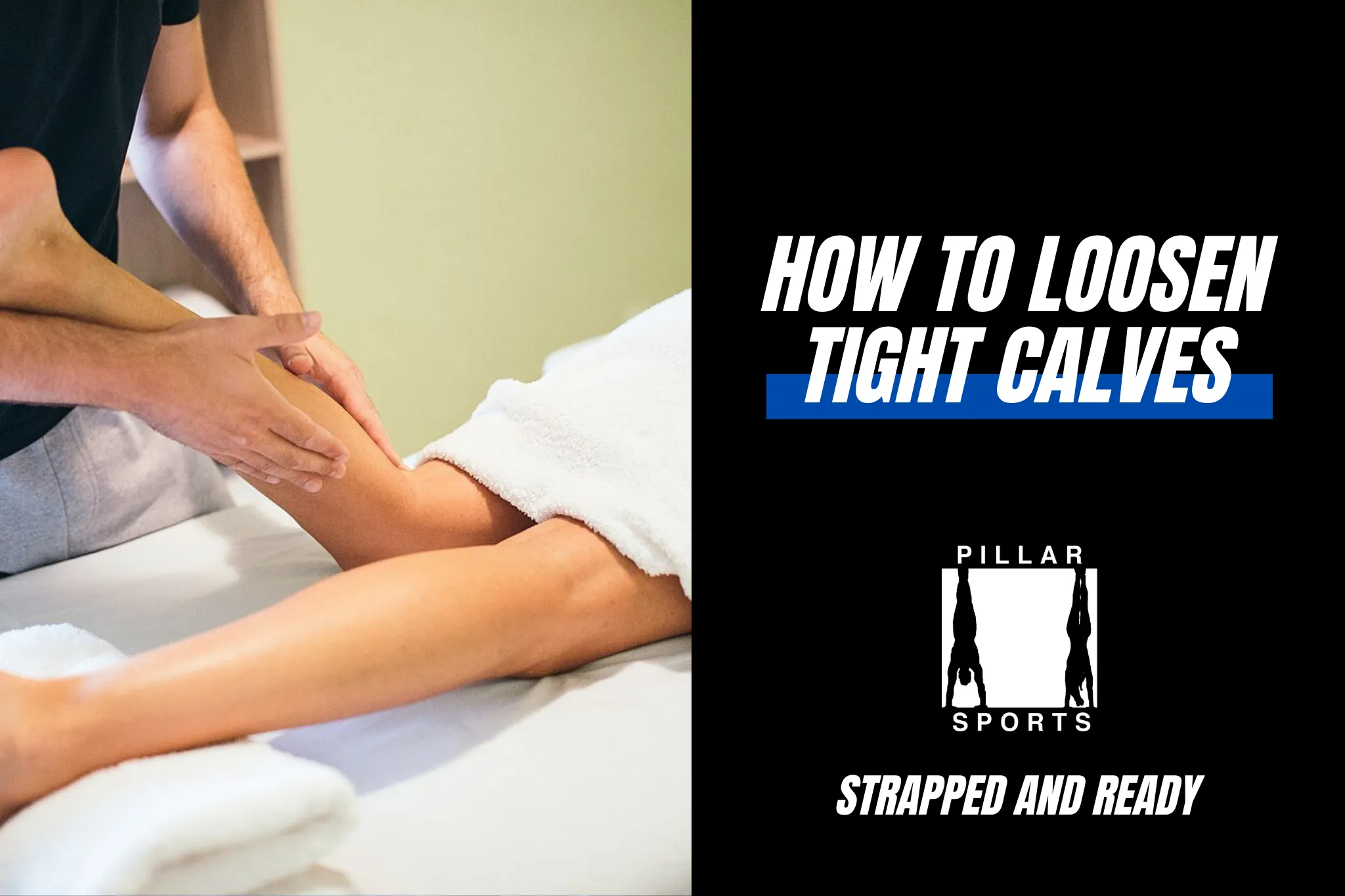
Why do my calves feel tight?
“Tight” describes a sensation. It does not, by itself, establish whether you need stretching, a change to training, or assessment of an injury.
Consider the context: when did the feeling begin, was there a sudden painful moment, and can you walk and move normally? Tell a practitioner about recent changes to your training and whether the sensation keeps returning.
Pain, weakness, swelling or bruising can occur with a muscle strain. Those symptoms deserve attention rather than being grouped together as routine stiffness. The NHS guide to sprains and strains explains common injury symptoms and when to seek help.
How to loosen tight calves: start with a gentle stretch
For a comfortable, uninjured calf, a supported wall stretch is a straightforward place to start. The NHS flexibility guide includes this exercise:
- Face a wall and rest your hands against it for balance.
- Put one foot behind you, keeping that heel down and the back knee straight.
- Bend the front knee slightly and move forward until you feel a comfortable stretch in the back calf.
- Ease out, then change sides.
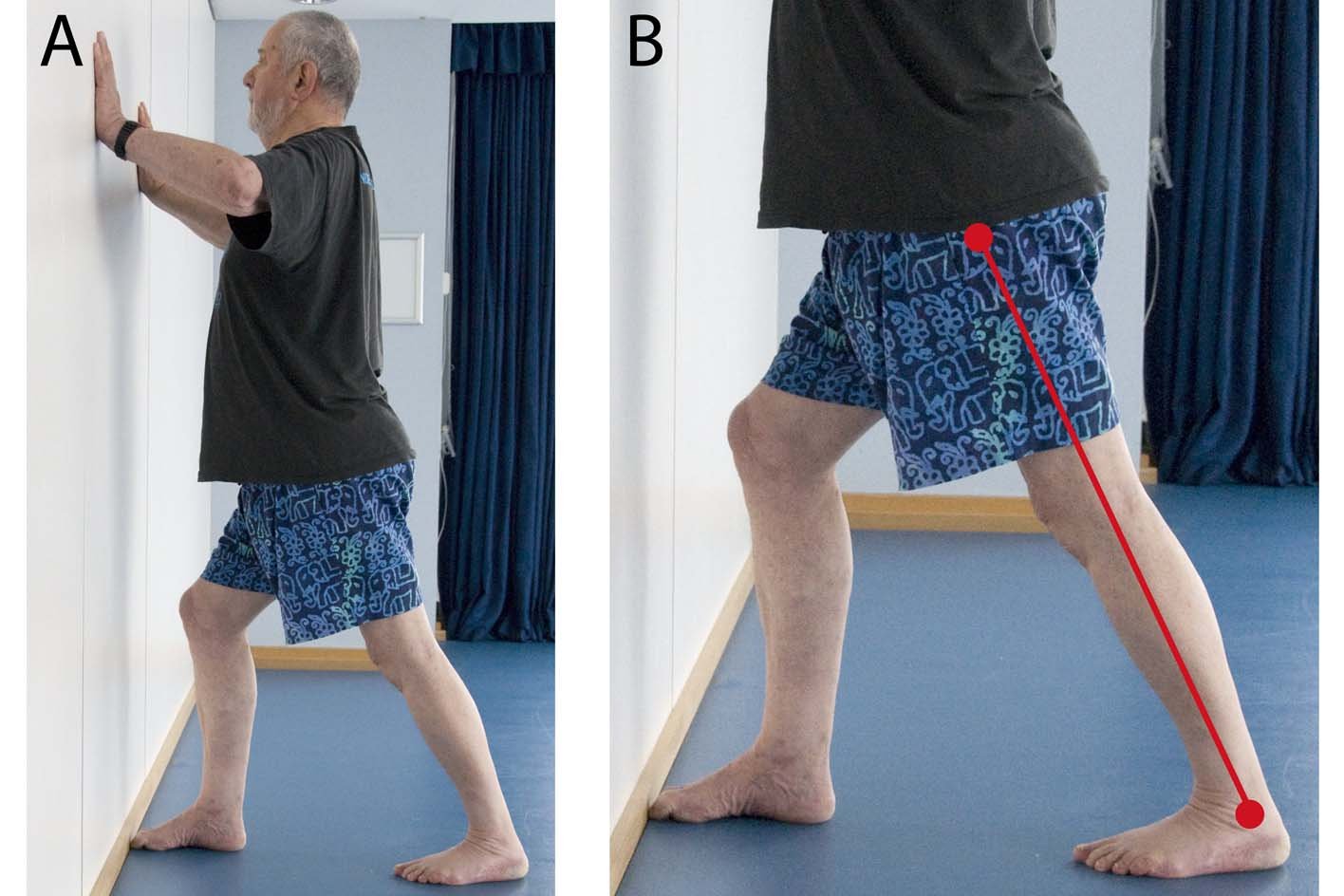
The NHS suggests three repetitions on each side and building exercise gradually. Keep the movement controlled; stop if it produces pain. If you have an injury or uncertainty about whether stretching is appropriate, ask a physiotherapist for guidance.
Also refer to this Youtube Video on the One Secret to Relieve Calf Muscle Tightness.
The aim is comfortable movement, not forcing the heel down or matching another athlete’s range.
Does foam rolling help tight calves?
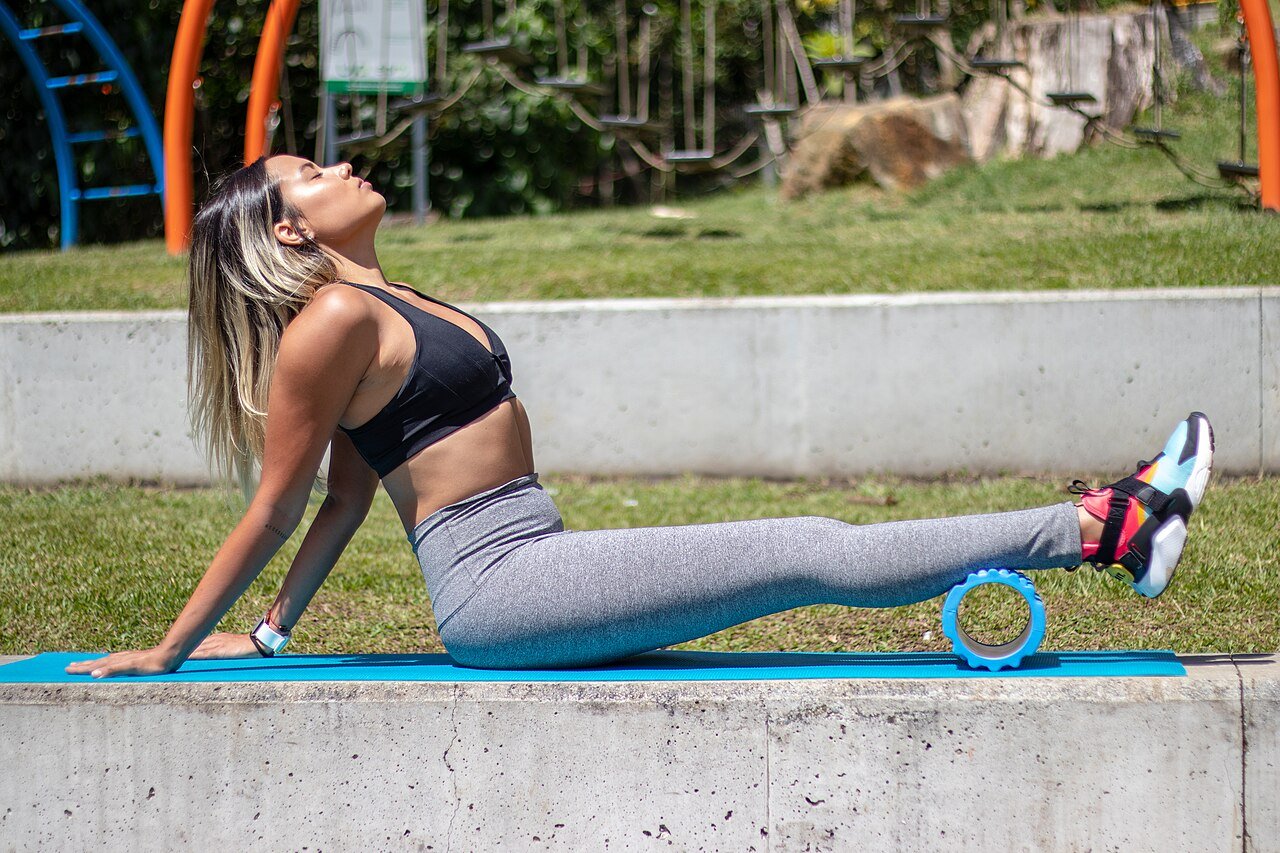
Foam rolling is another option athletes use alongside flexibility work. A systematic review of 26 trials in healthy adults found that it improved joint range of motion immediately compared with doing no exercise. It was not superior to stretching in the pooled comparison.
That supports a modest claim: foam rolling may help short-term mobility. It does not establish that rolling heals a calf injury, prevents a strain or makes a player ready for a match.
If you use a roller, follow its instructions and choose a comfortable approach. Increasing pressure until the calf hurts is not a useful goal. Ask a practitioner to demonstrate an appropriate technique if you are unsure.
You can explore the equipment categories in our sports recovery equipment guide.
Where does calf massage fit?
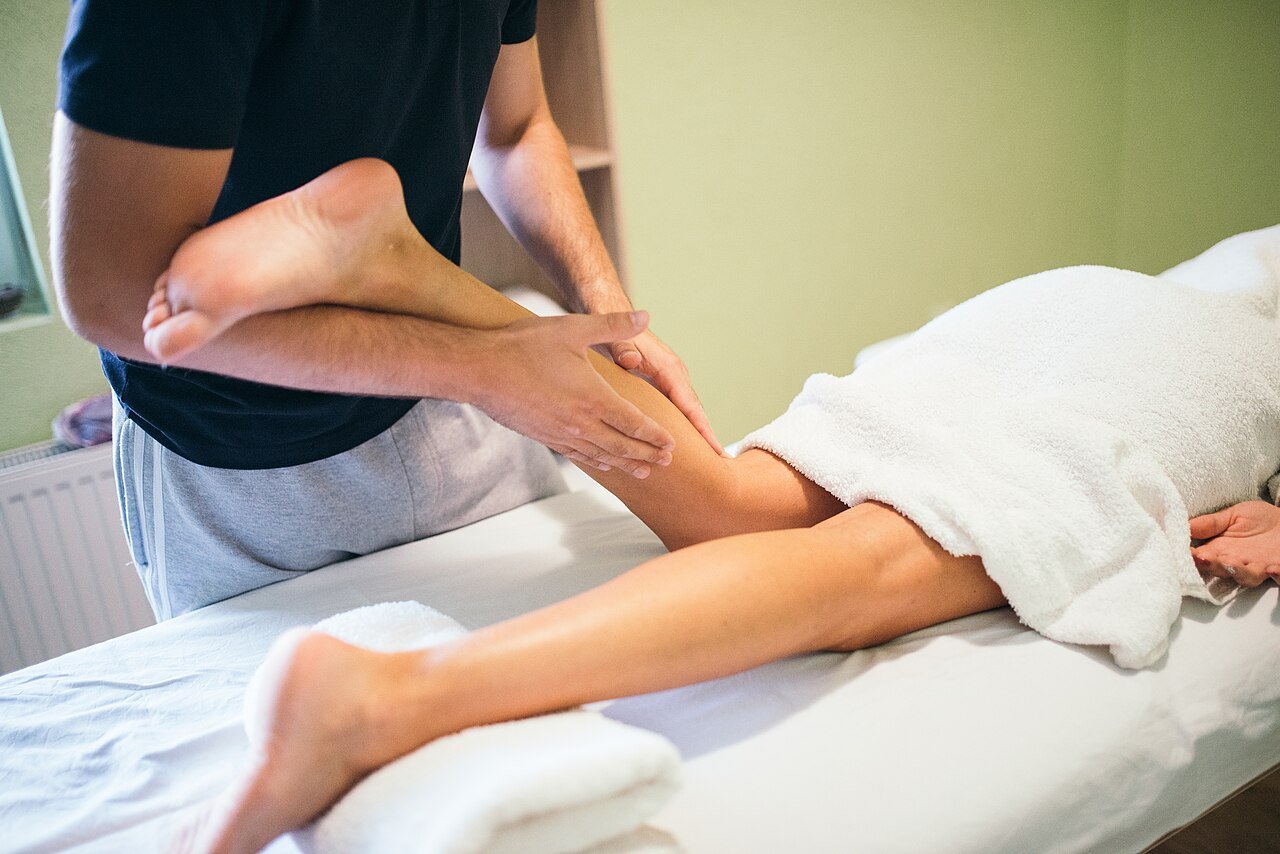
For broader context, read why self-massage may be part of an athlete’s routine. If your calf is painful, newly injured or unusually swollen, have the symptoms assessed before deciding that deeper massage is the answer.
The NHS advises avoiding massage during the first couple of days after a sprain or strain. Timing and the reason for the symptoms matter.
When calf symptoms need assessment
Seek medical advice if pain is worsening, swelling or bruising is substantial, you cannot walk normally, or symptoms are not improving.
A painful, swollen calf—particularly on one side—can also be a sign of a blood clot. Changes in skin colour or warmth around the painful area add to the concern. Seek urgent medical assessment for suspected clot symptoms. If calf pain and swelling occur with chest pain or breathlessness, seek emergency help immediately. The NHS DVT guidance explains these warning signs.
Do not use a massage or stretching session to delay getting unexplained symptoms checked.
Frequently asked questions
Is walking good for tight calf muscles?
Comfortable movement may be appropriate, but the answer depends on the cause. After an injury, NHS guidance supports keeping the area moving when pain no longer prevents it. If walking hurts, changes your gait or makes symptoms worse, seek advice before pushing through.
Should I stretch or foam roll my calves?
Both can be options for flexibility work. Research in healthy adults found no advantage of foam rolling over stretching for the immediate range-of-motion comparison. Choose an approach you can perform comfortably and consistently; an injury may require a different plan.
Does a loose calf mean I am fully recovered?
The reel cannot establish that. A relaxed appearance does not measure strength, symptoms or readiness for the demands of your sport. If you are recovering from injury, follow your clinician’s return-to-activity guidance.
Should I keep stretching if the tight feeling returns?
Repeated symptoms are a reason to review the situation, rather than simply increase the stretch. Note when the feeling occurs and whether it affects walking or training, then discuss persistent or worsening symptoms with a qualified practitioner.
Build a routine around your own calves
Start with how your legs feel and function. For an otherwise comfortable calf, gentle flexibility work may be a useful part of your routine. If symptoms persist or change, get advice about what is appropriate for you.
For your next read, explore our self-massage guide or recovery equipment overview.