Key takeaways
- Collarbone padding uses a cushioning layer held in position with tape. It serves a different purpose from a shoulder-support strapping pattern.
- Our demonstration combines foam, a fixation layer, elastic adhesive bandage and finishing tape.
- The materials have different jobs: foam supplies the cushion; the covering and tape secure it.
- A padded area does not establish that an injured player is ready for contact sport.
- Rugby equipment requirements still apply to a custom application.
Rugby preparation sometimes involves more than wrapping a joint. In this Pillar Sports demonstration, a player receives cushioning over the right collarbone, with tape used to hold the padding in place.
If you have searched for collarbone padding for rugby, this guide explains the materials and the visible stages of that application. It also covers what the footage cannot tell you: the player’s medical history, the reason for choosing this setup, and whether the same approach would suit another athlete.
This is an educational demonstration, not a method for treating a broken collarbone or clearing an injured player to compete. New pain after a tackle or fall needs assessment before padding is considered.
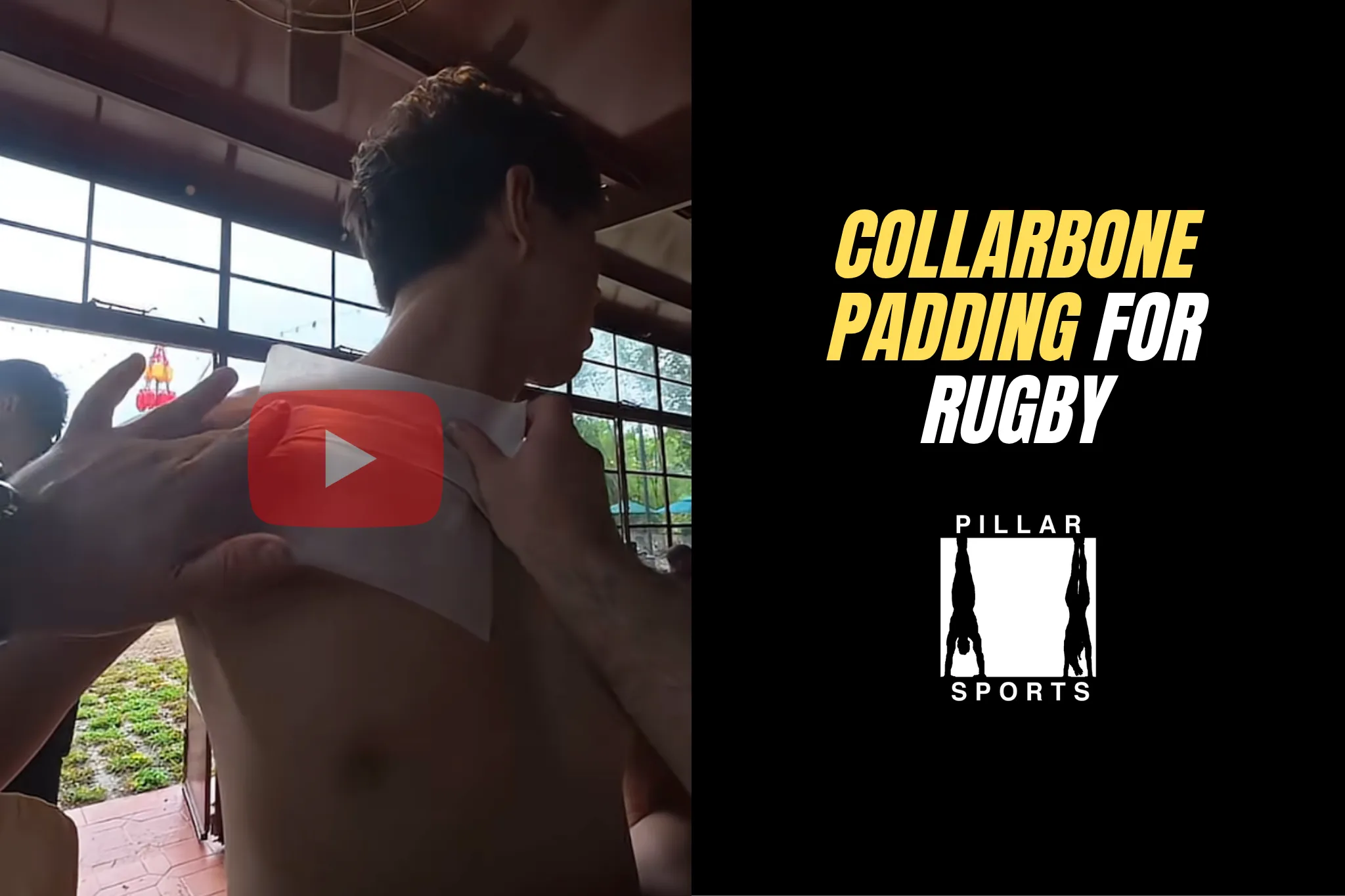
Watch: right collarbone cushioning
The clip shows the application from several angles. Foam and a fixation covering are followed by wider elastic tape and narrower finishing strips. The video’s description identifies the material categories as adhesive foam, Hypafix, EAB and rigid tape.
Because this is a short demonstration, it does not provide a complete fitting assessment or specify every measurement. Use it to understand the arrangement of the materials; do not guess tape tension or copy the dimensions for a different person.
Collarbone cushioning and shoulder strapping: what is the difference?
The collarbone, or clavicle, connects the breastbone to the shoulder blade. A direct blow or fall can fracture it, and pain around this area can have different causes. AAOS OrthoInfo explains collarbone anatomy and fractures.
In this demonstration, the defining feature is the cushioning layer. The surrounding tape holds that layer in place.
A shoulder-support strapping pattern has a different focus: the arrangement of anchors and supporting strips around the shoulder. For that separate technique, see our shoulder strapping guide. Our AC joint article discusses the joint at the outer end of the collarbone.
These subjects are related, but a pad over the collarbone should not be described as a proven way to stabilize an injured joint or prevent a fracture.
Materials used for collarbone padding
| Material | Role in the setup | Relevant Pillar Sports product | |
| Adhesive foam | Forms the cushioning component | Adhesive Foam, 6.35mm × 12cm × 2m | 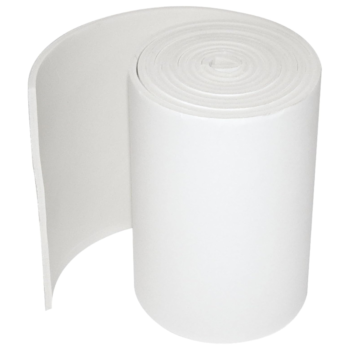 |
| Non-woven fixation tape | Covers and helps secure the pad | Hypoallergenic Fix-it | 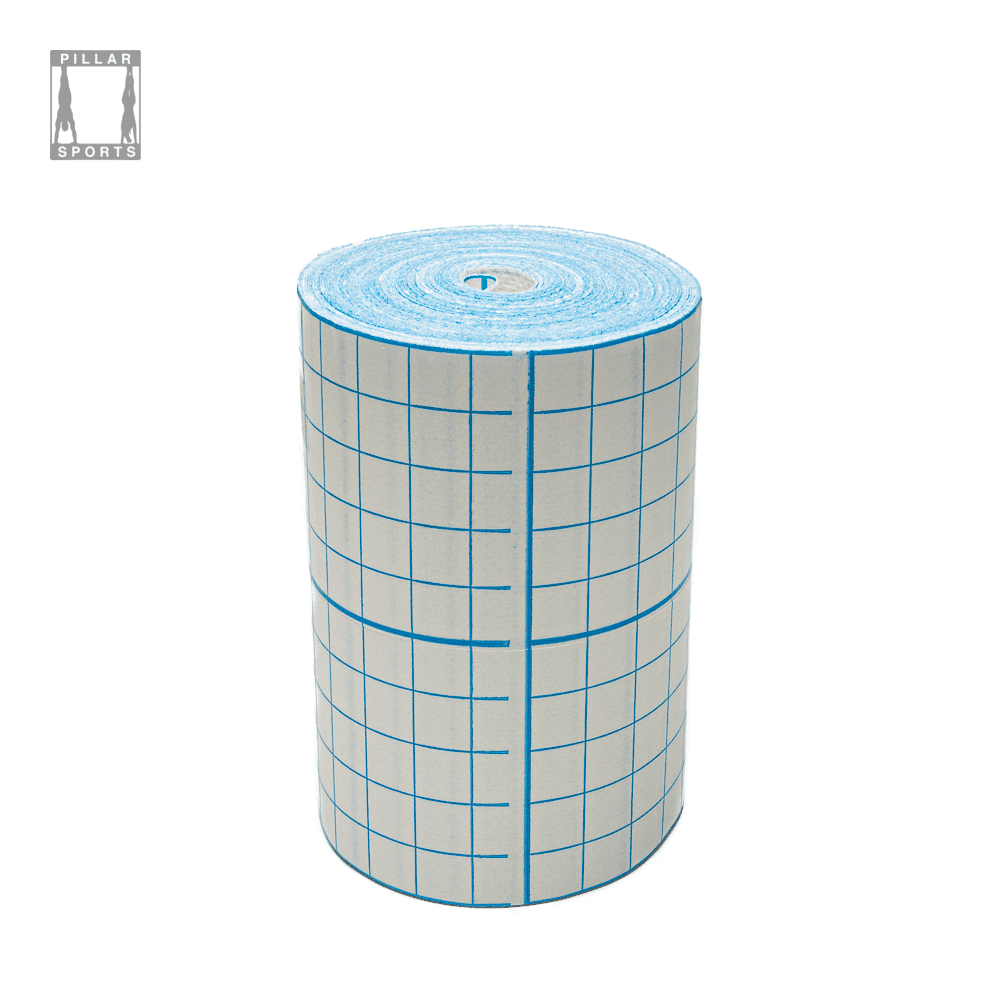 |
| Elastic adhesive bandage | Provides conforming coverage over the application | Lite EAB | 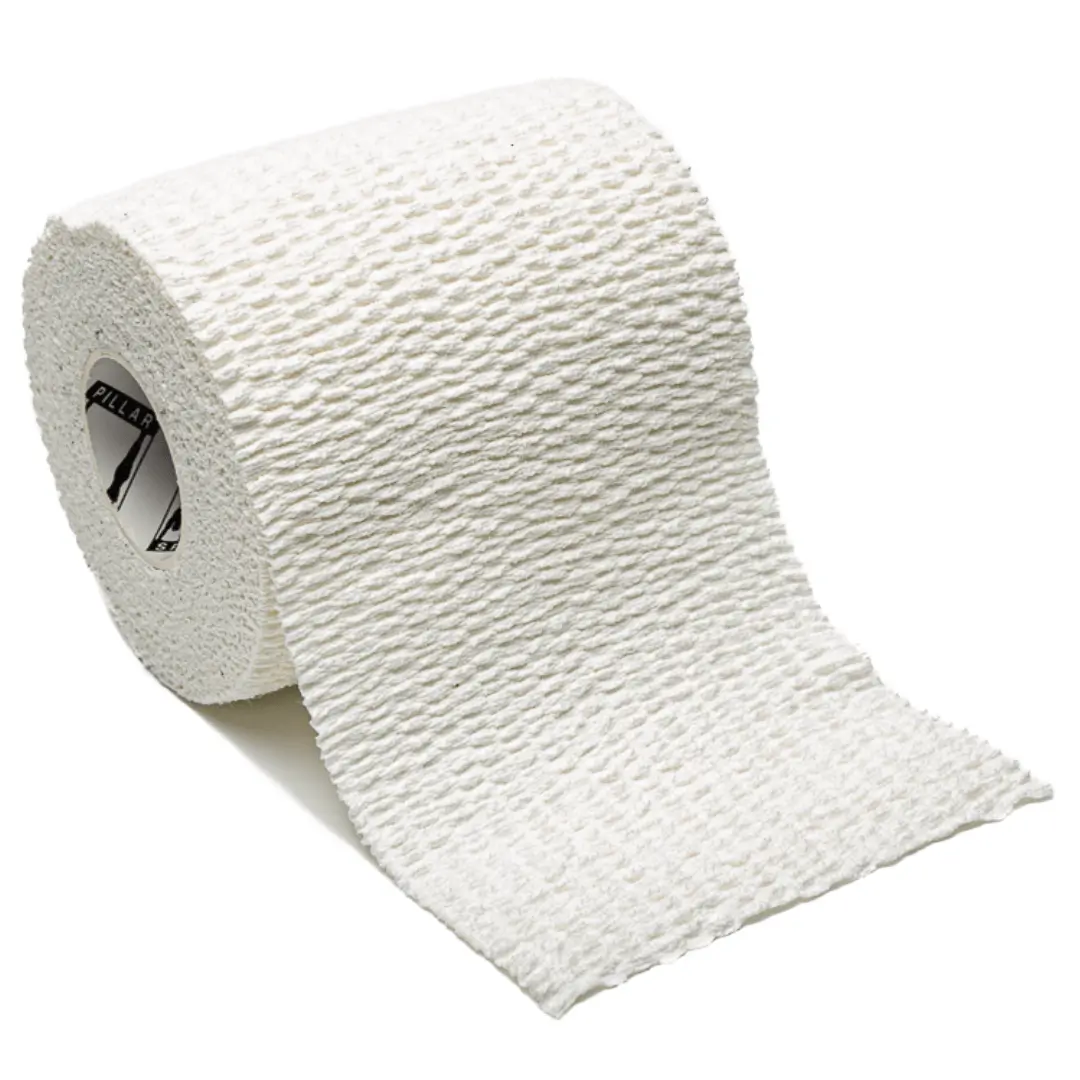 |
| Rigid sports tape | Provides firm finishing strips | Rigid Tape |  |
The reel is named Hypofix. Pillar Sports’ Fix-it is a separate product listed here as a fixation-tape option; it should not be assumed to be identical to the brand shown or named in the video.
Also, adhesive foam and underfoam wrap are different materials. A thin underwrap beneath strapping is not a like-for-like replacement for a thicker cushioning pad. Select the material for its intended role, rather than choosing by the word “foam” alone.
The foam roll listed above is 6.35mm thick, but that specification is not a recommendation for every player or confirmation of match eligibility. Pad size, thickness and positioning need to suit the application and applicable rules.
Application note: Additional layers may be added to increase overall thickness, leveraging the self-adhesive properties of Pillar Sports Adhesive Foam.
Understanding the demonstrated application
1. Position the cushioning component
The opening stage shows material being positioned over the right collarbone and upper shoulder. An early on-screen label identifies foam and a fixation covering.
The important feature to notice is where the pad sits relative to the area being covered. The clip does not establish a diagnosis, a universal pad shape or a recommended number of layers.
2. Secure the pad with a fixation covering
The white covering holds the cushioning component against the body. This stage gives the subsequent tape a covered surface to work across.
Before any application, check the relevant product instructions and the player’s skin and adhesive history. A “hypoallergenic” label does not guarantee that a person cannot react to the adhesive.
3. Add the wider elastic coverage
Wider strips are applied across the upper chest and shoulder region. The video description identifies EAB as one of the materials used.
Elastic tape and rigid tape are not interchangeable: their stretch characteristics differ. The clip does not specify a percentage of stretch, so it would be misleading to prescribe one from the footage alone.
4. Finish with narrower tape strips
Later in the clip, narrower strips are placed across the existing application. The description identifies rigid tape among the finishing materials.
These visible layers explain how the assembly is held together. They do not demonstrate a measured improvement in impact protection, joint stability or injury risk.
5. Check the finished fit
A sports clinician or appropriately trained team practitioner should check whether the application is suitable, secure and comfortable for the individual. The player should be able to breathe comfortably, and the application should not cause pain, tingling or numbness.
Do not keep tightening tape to compensate for a poorly fitting pad. Discomfort or new symptoms are reasons to stop and reassess the application.
What collarbone padding can—and cannot—tell you
The video demonstrates a physical cushion secured with tape. It does not test how much force the setup absorbs or prove that it prevents injury.
World Rugby’s body-padding specification states that compliant body padding is intended to protect against cuts and abrasions. That specification should not be presented as evidence that a custom foam-and-tape application prevents fractures or makes contact safe after an injury.
Avoid treating pain relief, a feeling of protection or a neat finish as proof of healing. According to AAOS, returning to activity too early after a collarbone fracture can disrupt healing; return to sport should follow medical guidance.
Is custom collarbone padding allowed in rugby?
World Rugby Law 4 permits certain padding, bandages, dressings and thin tape, and requires clothing to comply with Regulation 12. It also gives the referee authority to require removal of dangerous or illegal items.
This does not automatically approve every homemade pad or layered application. Before match day, have the setup checked against current competition requirements. Neither an online demonstration nor the purchase of sports foam establishes approval for the finished arrangement.
Skin care and removal
Start with clean, dry, intact skin, follow the materials’ instructions and avoid adhesives to which the player has previously reacted. Do not tape over a rash or damaged skin as part of a routine sports application.
Remove the tape if it causes itching or a rash. Guy’s and St Thomas’ NHS guidance on zinc oxide strapping highlights adhesive reactions and advises removal when these symptoms occur. Although its application is for the Achilles region, the adhesive warning is relevant when selecting zinc oxide sports tape.
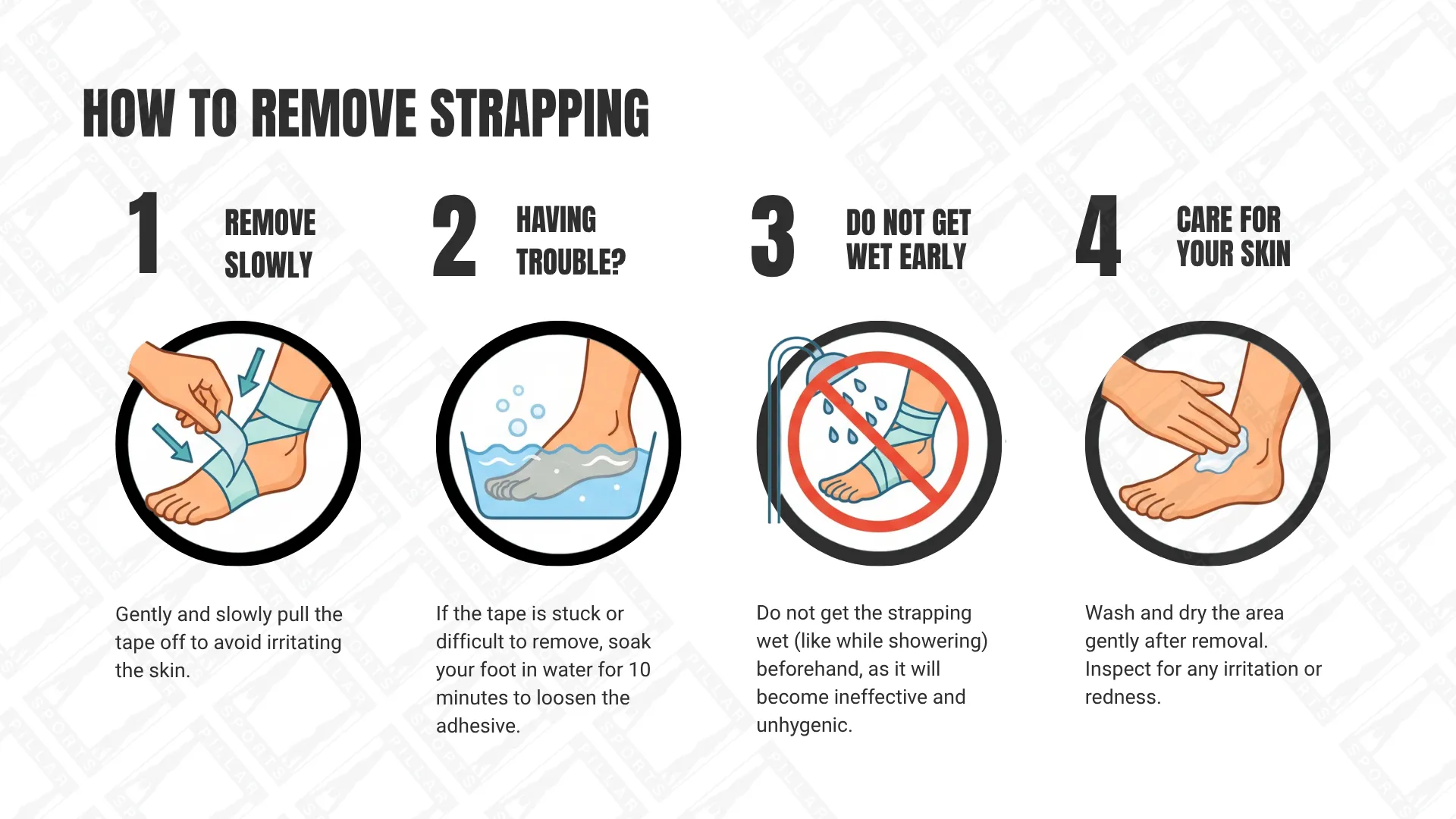
Remove tape slowly rather than pulling it off sharply, following product-specific removal advice. Persistent irritation or damaged skin needs professional advice before reapplication. Our sports tape guide for sensitive skin provides additional material-selection context.
When to seek assessment instead of adding padding
Stop playing and seek medical assessment for new collarbone or shoulder pain after a collision, particularly with substantial swelling, an obvious change in shape or difficulty raising the arm. AAOS lists pain, swelling, deformity and difficulty lifting the arm among possible fracture symptoms.
Do not use a cushion to conceal a new injury or make an injured player feel ready to return. Padding selection comes after the question of whether participation is appropriate.
Frequently Asked Questions
A cushioning demonstration is not a fracture-treatment protocol. Follow the treating clinician’s advice about support, healing and return to activity. Tape and foam do not replace that assessment.
Not necessarily. “Collarbone taping” can describe different applications. This video focuses on cushioning; AC-joint management concerns a specific joint and injury assessment. Do not assume one pattern is suitable for both.
Do not assume so. Underwrap is a thin layer used beneath strapping, while the adhesive foam listed here is a thicker cushioning material. Check the intended use and specifications of the actual product.
The clip does not establish that adding layers improves safety. More material changes the fit and bulk and may affect compliance. Thickness should be selected for the individual application and checked against the relevant rules.
The material categories in this demonstration are adhesive foam, fixation tape, EAB and rigid tape. Choose sizes and quantities with the person responsible for the team’s taping, and check current product instructions and availability.
Choose the materials for the job
Understanding the layers helps you make a more informed choice: cushioning material forms the pad, and the fixation and sports tapes hold the assembly in position.
Use the product links in the materials table to compare specifications. If you are supplying a club, school or clinic, explore our bulk sports tape options and ask about the materials your staff use regularly.
Good preparation starts with understanding the purpose and limits of each material—and recognising when the player needs assessment before another strip of tape.
Sources
- Pillar Sports: Right Collarbone Cushioning Taping — original demonstration.
- World Rugby: Body Padding Performance Specification.
- World Rugby Passport: Law 4 — Permitted Clothing.
- American Academy of Orthopaedic Surgeons: Clavicle Fracture (Broken Collarbone).
- Guy’s and St Thomas’ NHS Foundation Trust: Achilles Strapping for Achilles Tendon Pain — adhesive reaction guidance.