
MARCH MADNESS: Automatically claim your 4 Free Turf Tape Strips & 1 can of Perskindol Cool Spray if you spend HK$600 on Cart!
Please be very aware that this information is neither intended nor implied to be a substitute for professional medical advice. Always seek the advice of your doctor or other qualified health professional before starting any new treatment or with any questions you may have regarding a medical condition.
Last updated on: March 10, 2026
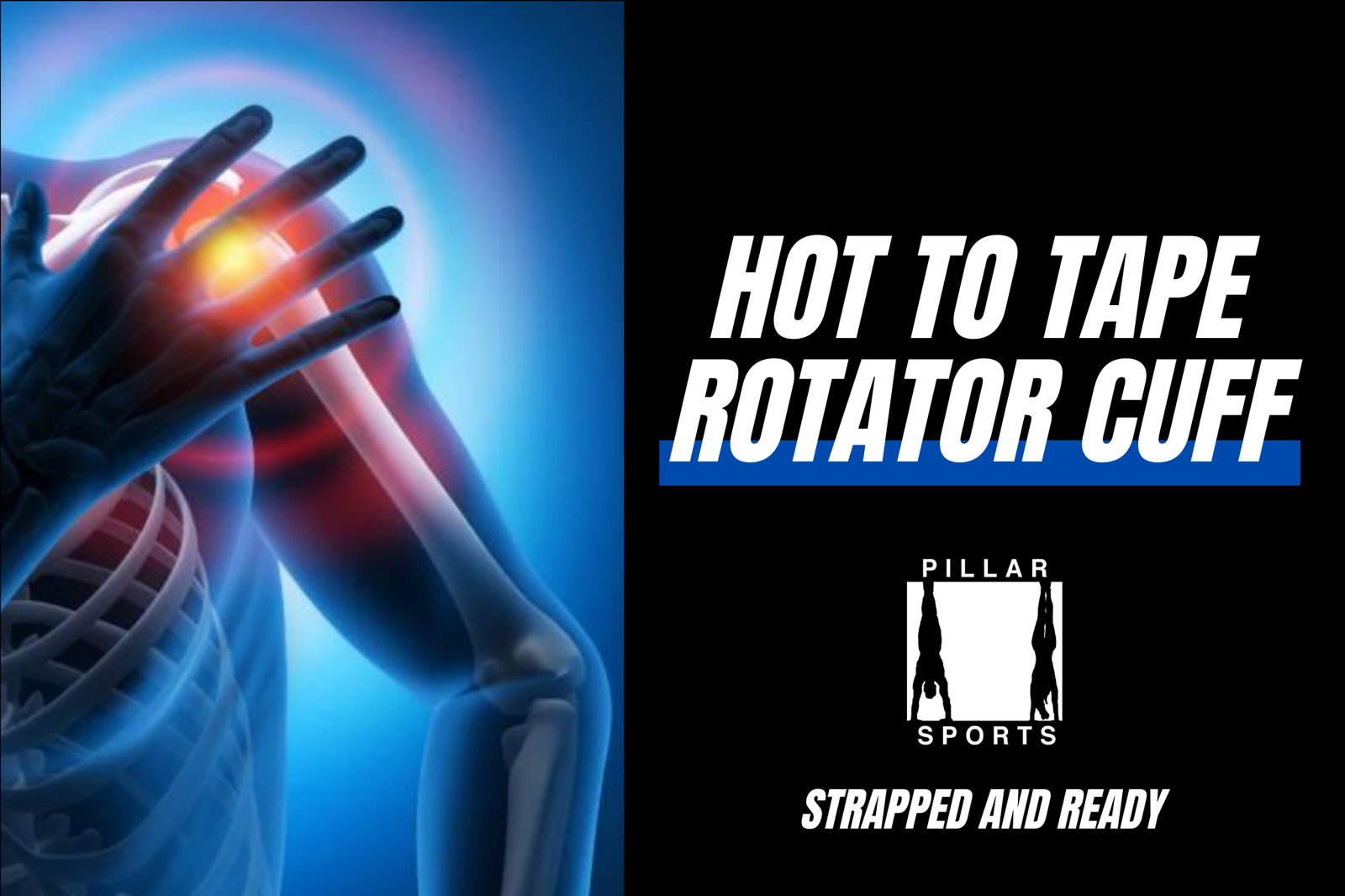
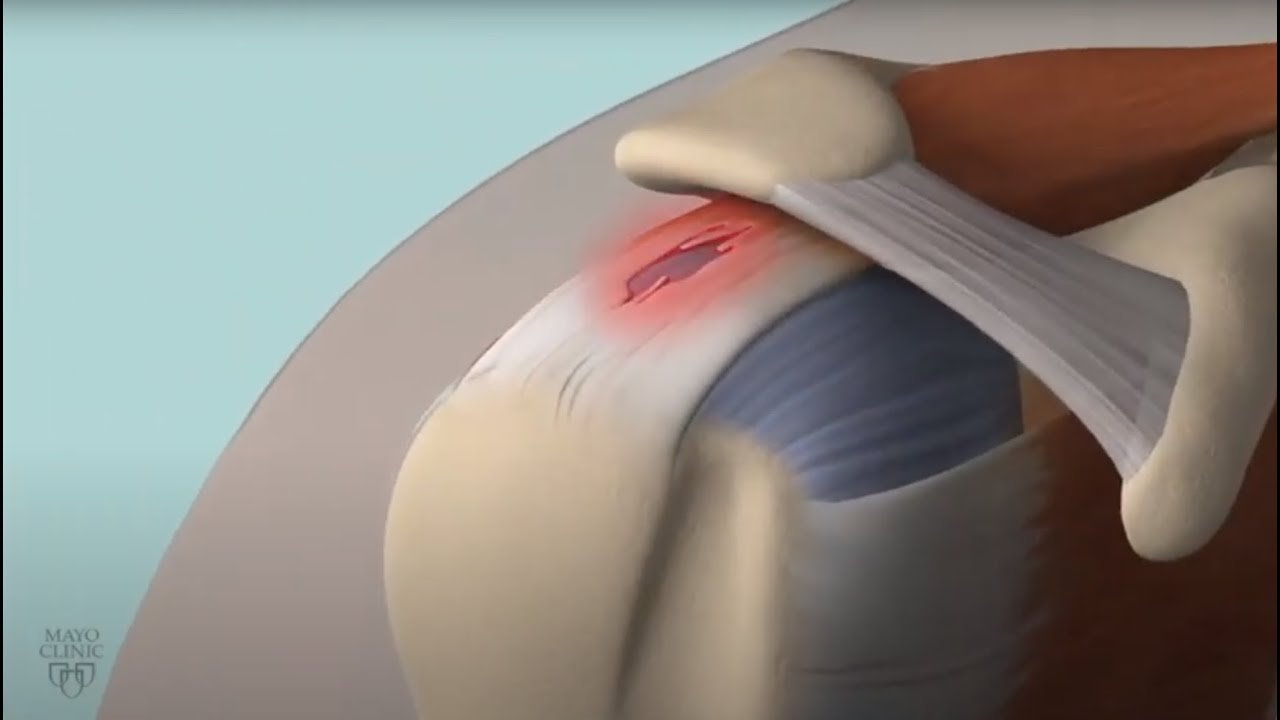
Whether you’re a rugby player, a swimmer, or a weekend gym-goer, taping for rotator cuff pain can make the difference between sitting out and staying in the game. The rotator cuff —made up of four muscles around your shoulder joint—is prone to overuse, strain, and injury.
In this guide, you’ll learn:

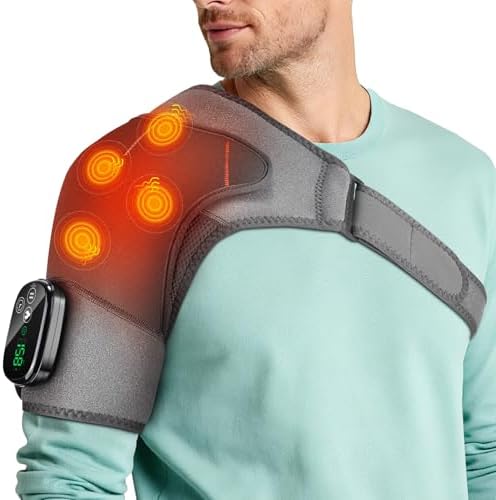
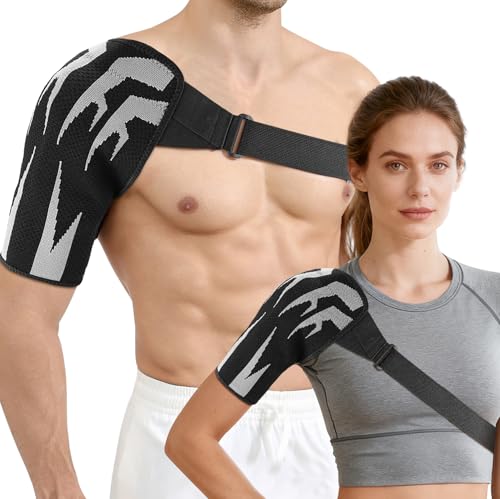
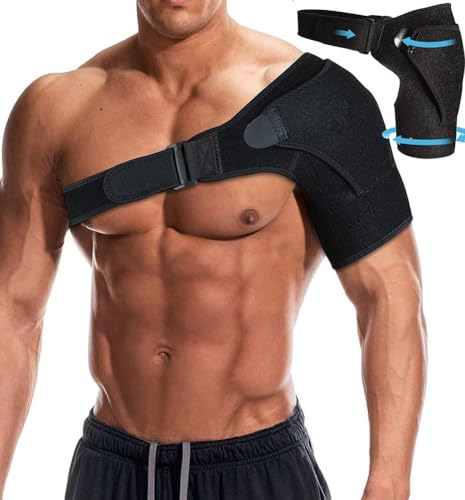
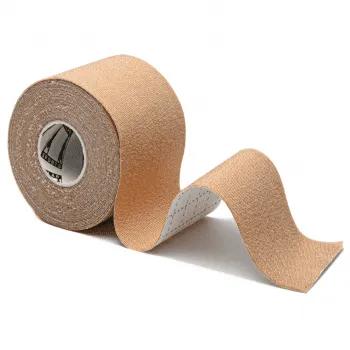
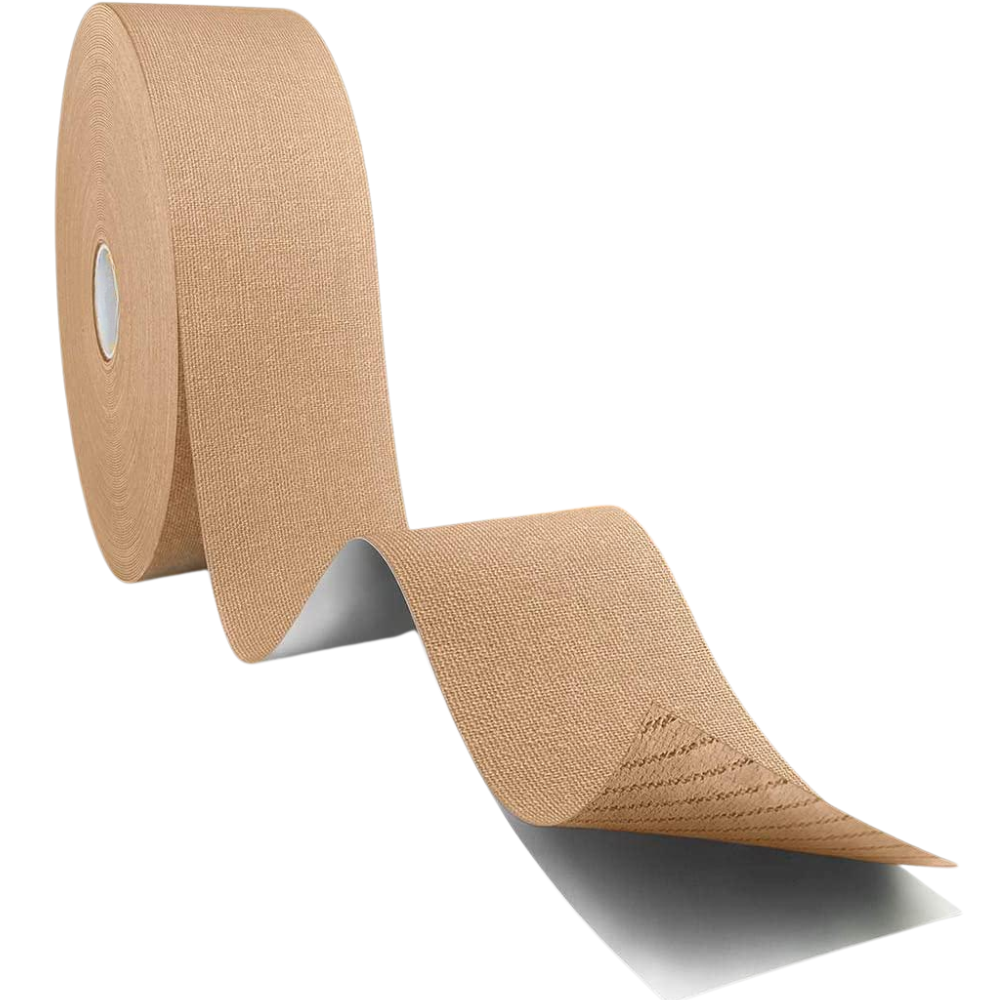
Kinesiology tape (K Tape) is flexible and designed to move with your body. It’s ideal when you need support without restricting range of motion. Many athletes use it for:
Learn more about Kinesiology Tapes.
If you’re experiencing sharp pain, significant swelling, or new injury symptoms, skip the tape for now. Rest, ice, compression, and elevation (RICE) should be the priority until the inflammation stage has passed. NHS guidance here.
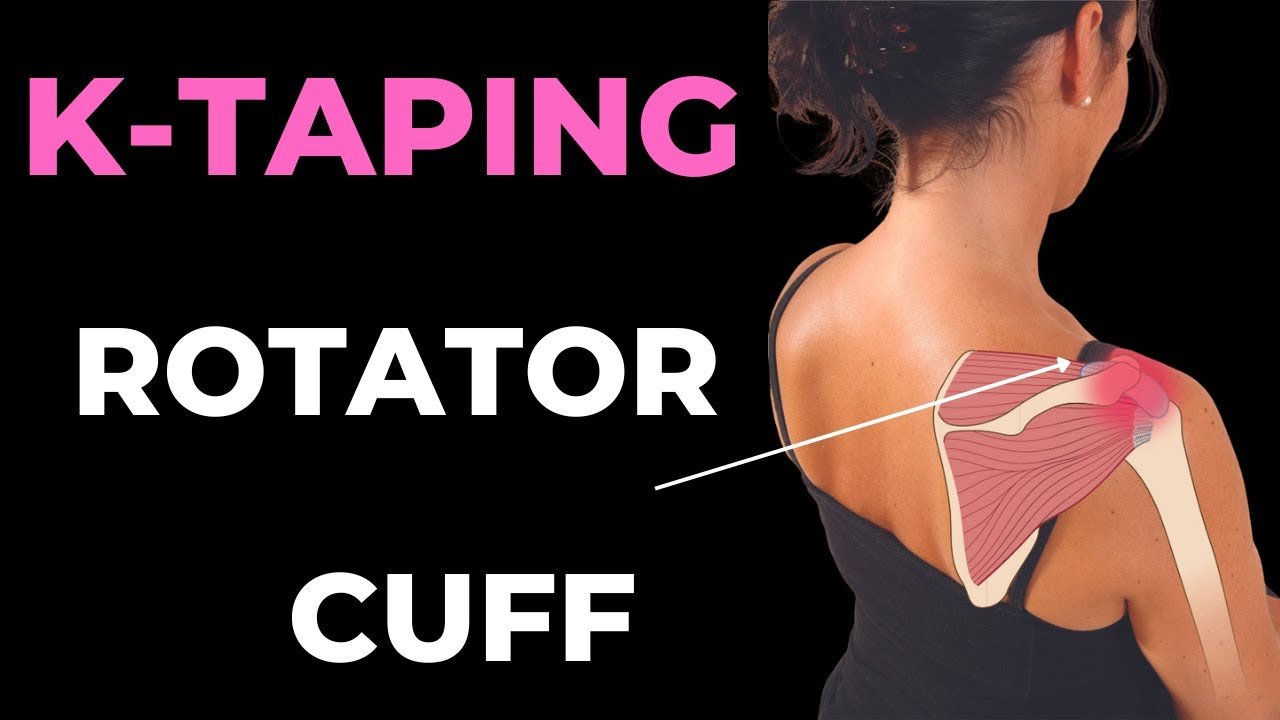
Knowing when to tape is easier if you can spot common rotator cuff injury symptoms:
If symptoms persist beyond a few days, it’s best to get a professional assessment.
Now that you’ve mastered taping, you can explore full shoulder strapping techniques to address stability, posture, and injury prevention.Read our complete Shoulder Strapping Guide for more taping tips and product recommendations.
Or you can explore our Sports Tape Catalog
Sources:


Join 1,000+ athletes already training with Pillar Sports tape.
No spam. Unsubscribe anytime.