Last updated on: July 16, 2026
Ordering school sports uniforms is not the same as ordering kit for a sports club. The process looks similar on the surface — brief a supplier, select a design, confirm sizes, wait for delivery. But the practical constraints are different, and ignoring them is where school athletic programmes run into problems.
You’re ordering across a wider size range, often covering both junior and adult sizing in the same run. Your budget is fixed by an annual allocation, not flexible based on what you want to spend. You may be covering five or six different sports under one supplier relationship. And durability matters more than performance specification — school sports uniforms need to survive multiple seasons, not just a single competitive campaign.
This guide is written for athletic directors, PE department heads, and school administrators responsible for custom team uniforms across a school sports programme. If you need a full overview of the ordering process from brief to delivery, start with our guide to ordering custom sports uniforms. This post focuses on what’s specific to the school context.
The Differences That Matter for School Orders
Understanding where school procurement diverges from club procurement shapes every decision downstream.
Size range complexity. A community sports club typically orders within a narrow adult size band — S through XL covers most squads. A school programme spans years. Your under-13 basketball team and your first XI football squad may both need kit under the same order. That means running youth and adult sizing simultaneously, confirming measurements across multiple age groups, and working with a supplier experienced in producing across that full range without inconsistency.
Budget approval cycles. School budgets are allocated annually, often with fixed approval processes and spending deadlines. That means your kit order needs to fit within a known figure — and that figure was set months before the season begins. There’s limited room to go back for additional funds if the order comes in over budget.
Multi-sport coverage. Athletic directors managing kit for football, basketball, athletics, and other school sports aren’t ordering one kit — they’re managing multiple programmes simultaneously. Consolidating orders under a single team kit supplier simplifies reordering, keeps branding consistent across sports, and often reduces per-unit cost through combined volume.
Durability over performance specification. School sports uniforms see intensive use across multiple years and multiple students. A jersey that performs well for one season isn’t worth much if it needs replacing every twelve months. Fabric weight, construction quality, and print durability matter more here than in a club context where kit is replaced more regularly.
Planning Your Budget Before You Brief Anyone
The most common mistake in school kit procurement is starting with a design rather than a number. Get the budget confirmed first.
Once you know your annual allocation for sports uniforms, work backwards:
- List every sport requiring new kit and assign a priority order. Not every programme will need a full refresh in the same year.
- Estimate quantities per sport — players per team plus spares for mid-season losses, growth, and new students joining mid-year.
- Split by item — jerseys, shorts, socks, and any training kit. An itemised breakdown gives you an accurate cost picture before you contact a single supplier.
- Factor in sizing uplifts — youth sizing often costs the same per unit as adult sizing from wholesale suppliers, but a wider size run means more individual pieces. If you’re covering U13 through senior in the same order, account for that in quantity.
💡 Pro Tip: Build a simple spreadsheet with sports, squad sizes, items needed, and estimated unit cost before approaching any supplier. It takes an hour and eliminates most back-and-forth at the quote stage. Suppliers who receive a structured brief give more accurate quotes than those working off a vague request.
For school programmes ordering across multiple sports at sufficient volume, sport team uniforms wholesale pricing becomes accessible. Many manufacturers apply tiered pricing — per-unit cost drops at higher quantities. Combining your football and basketball orders in the same conversation with a supplier, even if production runs separately, often moves you into a lower cost bracket.
Sizing Across Junior and Adult Ranges
This is where school orders require more planning than club orders, and where mistakes are most expensive.
Most club kit managers collect adult measurements and work with a standard S–XXL size run. School programmes need to collect measurements across multiple year groups — and youth sizing and adult sizing don’t follow the same scale.
Before briefing any supplier on school sports uniforms, collect actual body measurements from students. Don’t rely on estimated age-based sizing — the variation within a single year group is significant. A Year 9 squad can include students ranging from 140cm to 185cm in height, with proportionally different chest and sleeve measurements.
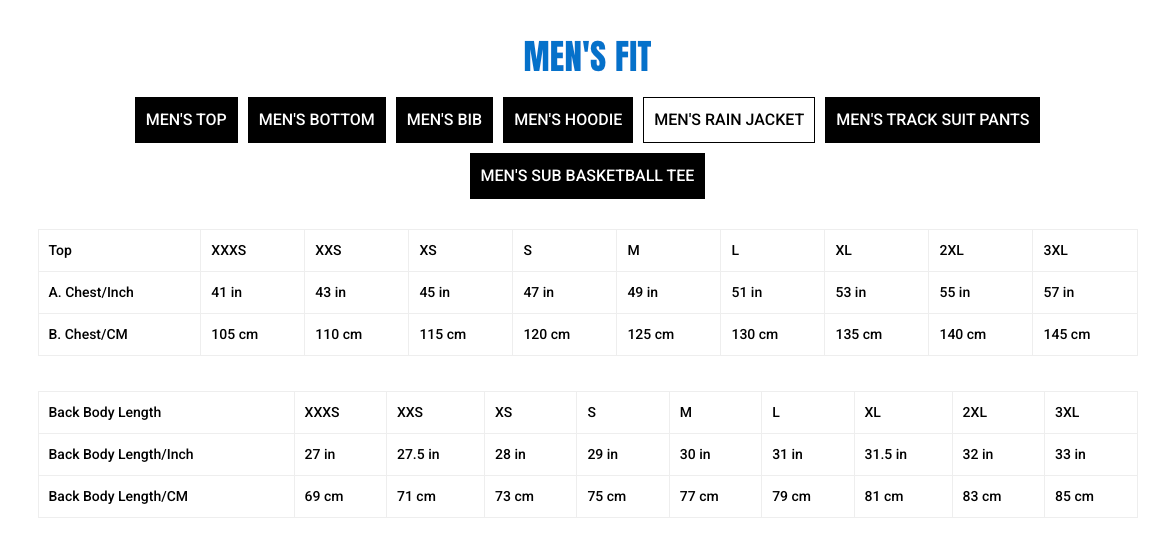
Your size breakdown for each team should include:
- Chest circumference
- Body length
- Sleeve length (for long-sleeve kit)
- Age group (as reference for context, not as the primary sizing input)
Check our Apparel Size Guide Page
Give this breakdown to your supplier before requesting a quote. Suppliers who can’t produce across a full junior-to-adult size run without quality inconsistency are not the right fit for school programme orders.
🎯 The need for wide size-run capability is particularly relevant for school sports — football, basketball, athletics, and other school sports. Any supplier you work with for a school programme needs to demonstrate experience across this range, not just standard adult club sizing.
Covering Multiple Sports Under One Supplier
Athletic directors managing five or six sports don’t have time to run separate supplier relationships for each one. Consolidation makes operational sense — and usually financial sense too.
When evaluating team kit suppliers for a school programme, ask directly:
- Can you produce across football, basketball, and athletics kit within one order?
- Can you maintain consistent branding — same colour matching, same logo reproduction quality — across different garment types?
- Do you have experience producing for school programmes specifically, including youth sizing?
- What are your minimum order quantities per sport, and how does combined volume affect pricing?
A supplier who handles multi-sport school orders routinely understands the coordination required. They’ll manage consistent colour output across different fabric types, produce clear digital proofs for each sport for approval, and structure the order so you’re not managing five separate timelines.
For a deeper look at how to evaluate kit suppliers before committing, including the questions worth asking and the red flags worth watching for, see our custom sports apparel sourcing guide.
PE Kit vs. Match Kit: Deciding What You Need
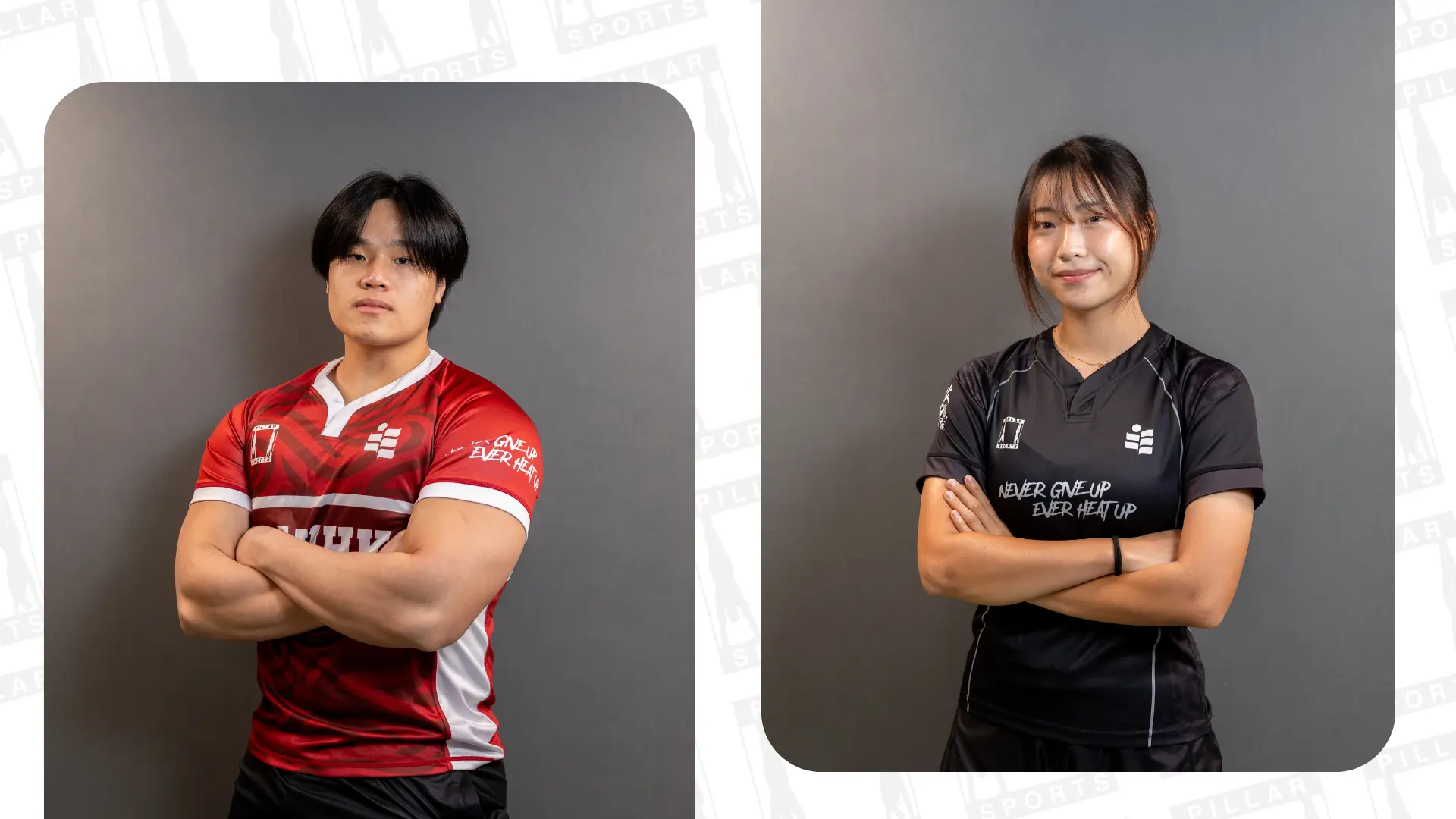
Many school programmes run two distinct uniform types: match kit for competitive fixtures and PE kit for training and physical education sessions. These have different requirements and different cost profiles.
Match kit is your representative uniform — the one students wear when competing against other schools. Here, fabric quality, design consistency, and durability are the priority. Sublimation polyester in the 150–180gsm range holds up well to repeated washing, retains colour through a multi-year life, and presents well for competitive events.
PE kit is functional and high-turnover. It sees more use, more washing, and more general wear than match kit. The bar for performance specification is lower — standard moisture-wicking polyester at a competitive price point is the right call here, not the same construction as your match jersey.
If budget requires a choice between the two, prioritise match kit quality. PE kit can be sourced at a lower spec without meaningful impact on training. Match kit that looks worn or inconsistent reflects on the school programme.
Where possible, order both under the same supplier relationship. Consistent branding across PE and match kit — same colour references, same logo files — is easier to manage when it comes from one production source.
Team Identity and the Value of a Consistent Kit
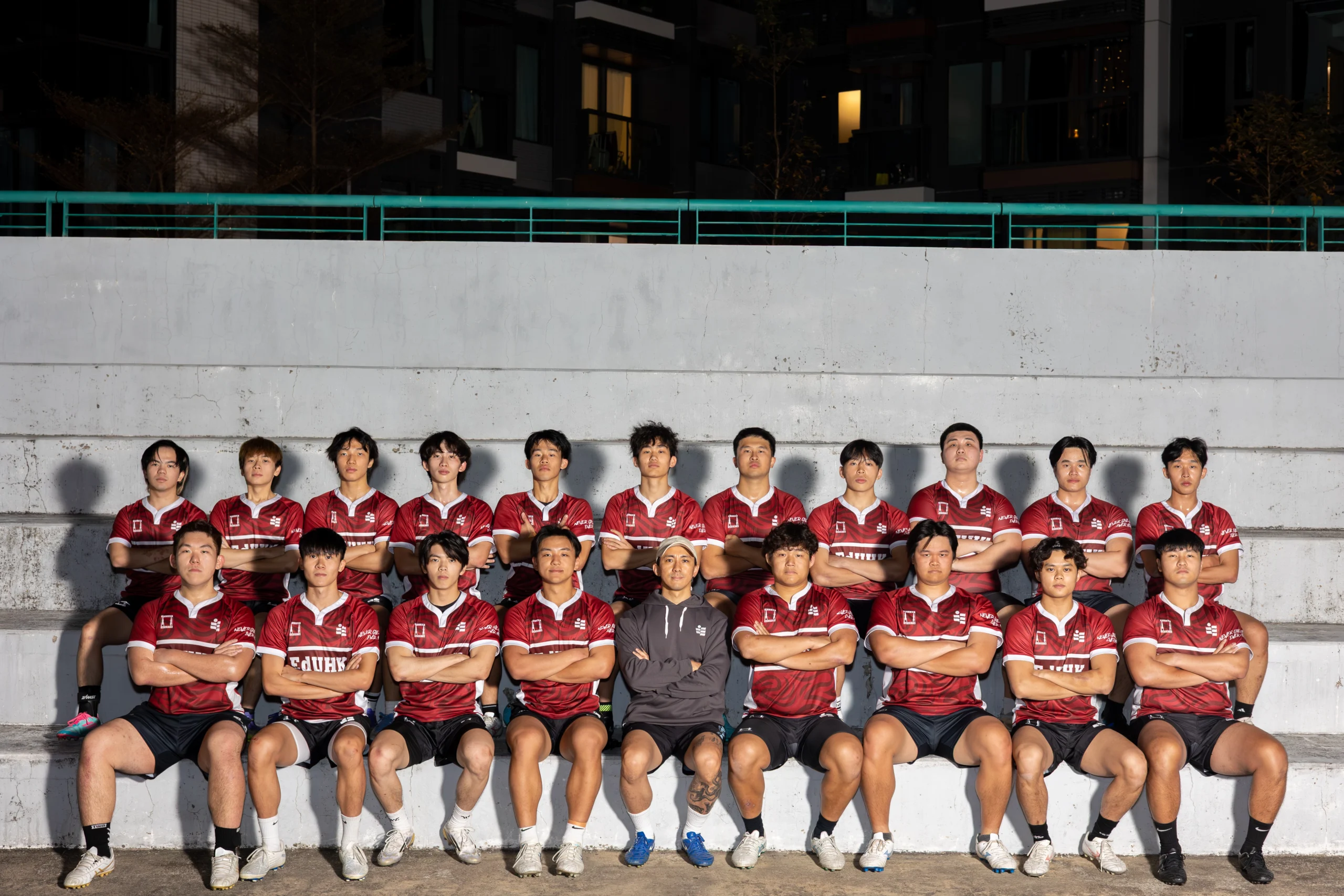
There is a practical argument for treating custom team uniforms across a school sports programme as a team-building exercise, not just a procurement task.
Students who wear a consistent, well-made school kit across their sports programme develop a stronger association with the school’s athletic identity. That’s not a soft benefit — it affects engagement, pride in representing the school, and the perceived seriousness of the programme.
This matters when communicating kit spend to school leadership or budget committees. The case for investing in quality team building uniforms across a school programme is stronger when framed around student engagement and programme identity, not just kit replacement cycles.
For a full overview of how to build a custom kit brief that supports this — from design direction to finalising an order — see our buyer’s guide to custom team jerseys.
Frequently Asked Questions
For a school sports programme covering multiple sports, start 12–14 weeks before your target delivery date. That gives you time to collect measurements across multiple year groups, run a proper budget approval process, and still leave a 10-week production and delivery window. Club-scale orders can start at 10 weeks. School programmes have more moving parts and benefit from the additional buffer.
Yes — but confirm this explicitly before briefing. Not all custom sports uniform suppliers produce across the full youth-to-adult range without sizing inconsistency. Ask to see examples of previous school programme orders, including size runs, before committing.
Wholesale pricing becomes relevant when combined order quantities across multiple sports reach the thresholds manufacturers use for tiered pricing — typically 30–50+ units across an order. If your football, basketball, and athletics teams are all ordering in the same cycle, discussing the combined volume with a supplier can move you into a lower cost bracket per unit.
Where possible, yes. Consistent colour matching, logo reproduction, and branding across both kit types is easier to achieve — and to maintain on reorders — when both come from the same source. It also simplifies the supplier relationship for future seasons.
Frame the investment around the useful life of the kit and the cost per use, not the upfront cost. Quality sublimation kit produced at the right fabric weight will last two to three seasons with proper care — far cheaper per season than replacing lower-quality kit annually. Include that calculation in any budget submission alongside the team identity and student engagement argument.
Order a small stock of spare jerseys — typically 10–15% above your squad count — as part of the original order. Per-unit cost on these is included in the original run, making it significantly cheaper than a separate top-up order later. Agree with your supplier upfront that spare design files and size specifications will be kept on record for mid-season top-ups if needed.
Final Thoughts
School sports uniforms require a different approach to club kit — wider size ranges, structured budget processes, multi-sport coordination, and a durability standard that justifies the investment over multiple seasons.
Athletic directors who approach the process with a clear budget, an organised measurement brief, and a supplier experienced in school programme orders will have fewer problems and better outcomes. The planning work upfront — sizing spreadsheets, sport-by-sport priority lists, confirmed budget figures — eliminates most of the friction that slows school kit orders down.
Pillar Sports supplies custom team uniforms and athletic uniforms to schools and sports programmes worldwide. We work across multiple sports under one order, produce across full youth and adult size ranges, and provide itemised quotes to support budget approval processes.
Get in touch with with us to start the conversation.
Sources:
World Schools Sport Federation — Equipment Guidelines FIFA Equipment Regulations