Last updated on: September 11, 2026
Ordering custom team jerseys is straightforward in theory. In practice, it’s where most clubs lose time, money, and patience — because the decisions look simple until you’re three weeks from your season opener with a supplier who hasn’t confirmed your proof.
This guide is written for club managers and kit coordinators across football, basketball, rugby, and other team sports who are placing a custom jersey order — whether it’s their first or their fifth. It covers fabric, print method, design briefing, turnaround times, and what separates reliable suppliers from the ones who cause problems.
If you want the full ordering process from brief to delivery, start with our guide to ordering custom sports uniforms. This post focuses specifically on jerseys — what makes them work, what makes them fail, and how to get the order right.
Sublimation vs. Screen Print: Which Is Right for Your Kit?
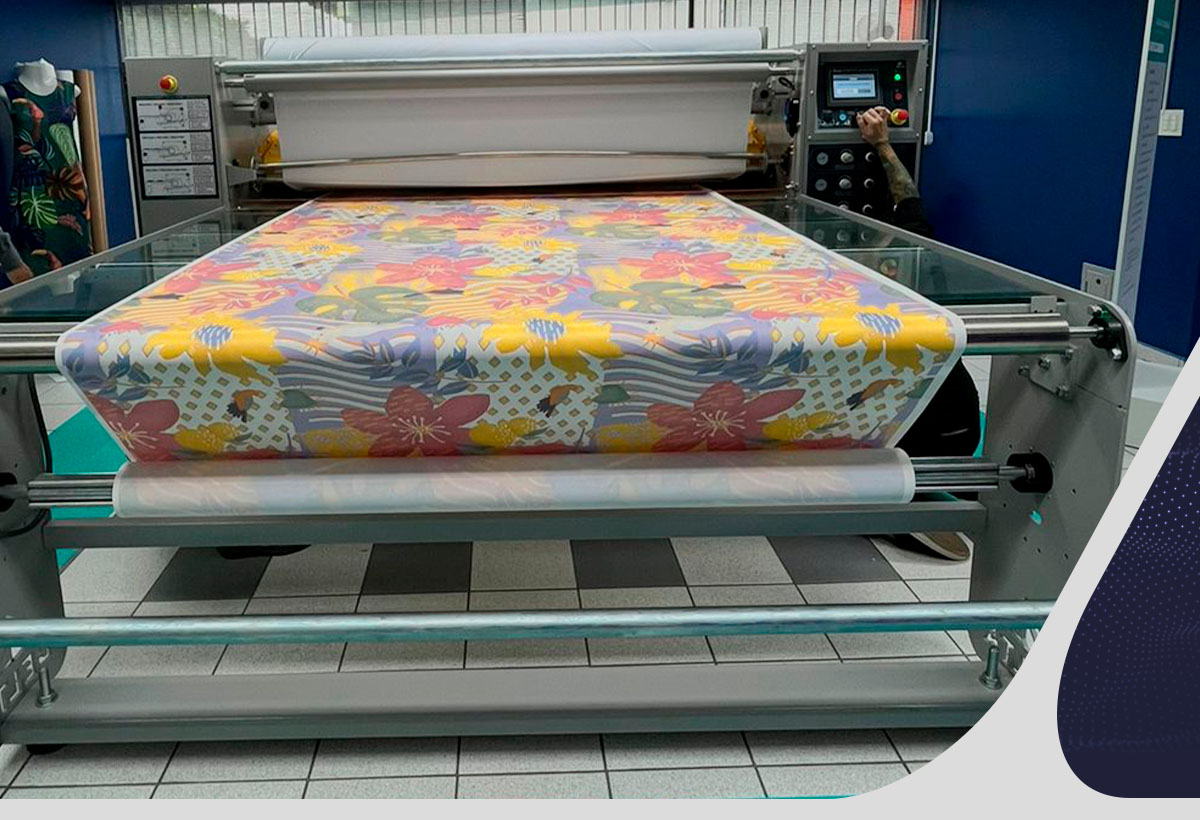

This is the first decision most kit managers face, and it has more impact on quality and cost than almost anything else.
Sublimation printing bonds dye directly into the fabric fibres during production. The design becomes part of the fabric — it won’t crack, peel, or fade after repeated washing. You get full-colour prints with sharp gradients, precise detail, and consistent results across a full squad size run. Sublimation is the standard for professional-grade custom sports jerseys and is the most common method used by serious clubs.
The key requirement: sublimation only works on polyester fabric. If your club is set on a cotton or cotton-blend jersey, sublimation is not an option.
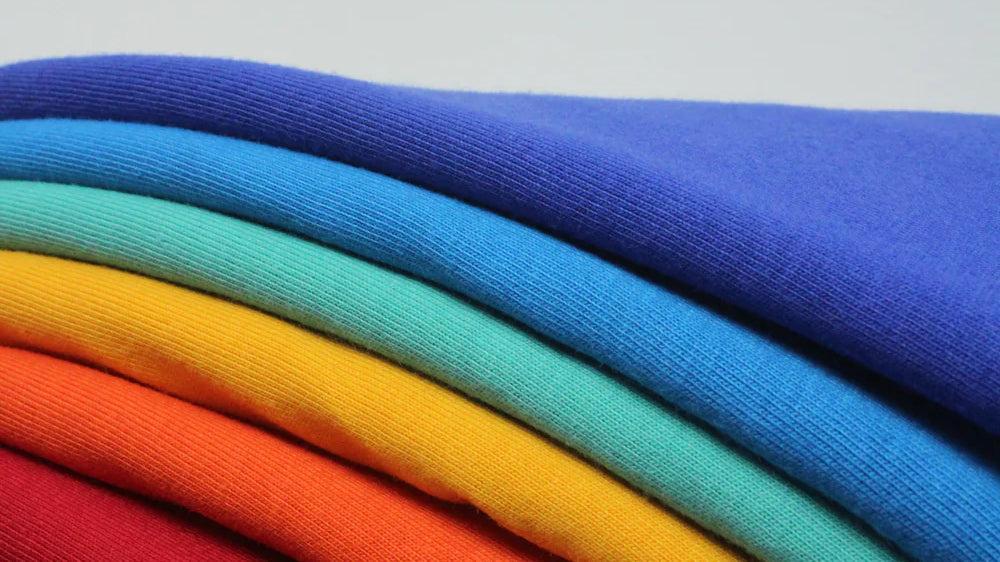
Screen printing applies ink on top of the fabric surface. It’s a well-established method and works across fabric types, including cotton. The tradeoff is durability — screen-printed designs begin to crack and fade after heavy washing and physical use. For match-day kits that take regular punishment, sublimation holds up better over a season.
Heat transfer is a third option often used for adding player names and numbers to stock jerseys. For fully custom team jerseys designed from scratch, it’s less common and generally not recommended as the primary print method.
For most custom sports teamwear orders — football, basketball, rugby, netball — sublimation on a performance polyester base is the practical choice. It performs better, looks sharper, and holds up to a full season of use.
🎯 Sublimation is especially well suited to football, basketball, rugby, and any sport requiring multiple matching jerseys across a full squad.
Choosing the Right Fabric
Fabric choice affects how a jersey performs on the pitch, how long it lasts, and how comfortable your players find it during extended use.
| Feature | Details |
|---|---|
| General Properties | Lightweight, moisture-wicking, and durable. |
| 150gsm | Runs lighter and cooler. |
| 180gsm | Offers more substance and shape retention. |
Polyester-elastane blends (85/15 or 88/12) add stretch. These are popular for basketball uniforms and athletic training kits where mobility matters. The tradeoff is a higher per-unit cost and a smaller pool of suppliers who can produce them at club-size quantities.
Cotton and cotton-poly blends are not recommended for match-day use. Cotton absorbs moisture and becomes heavy during physical activity. It also loses shape faster than synthetic alternatives. If a supplier recommends cotton for a competitive match kit without clear justification, push back.
💡 Pro Tip: Always ask your supplier for the fabric weight (gsm) and composition in writing before approving your order. “Standard polyester” can mean significantly different things between manufacturers — and it directly affects what you’re paying for.
Custom Jersey Ideas: Design Inspiration for Your Kit
The practical side of jersey ordering gets most of the attention. The design side is where clubs often spend too little time — and end up with something generic.
Custom team jersey design is genuinely open. Sublimation printing supports the full colour spectrum: gradients, panel designs, detailed patterns, photographic textures, and complex multi-colour graphics. The constraints are mostly creative, not technical.
A few directions that translate well to custom kit teamwear:
| Design Direction | Description / Application |
|---|---|
| Minimalist & Clean | Bold single-colour base with contrast panels. Clean, legible on the pitch, and easy to build sponsor branding around. Works well for football and basketball where visibility is important. |
| Modern Gradients | Gradient and fade designs. A natural colour gradient from front to back or shoulder to hem. Popular for rugby and football clubs wanting a distinctive look without complex artwork. |
| Traditional & Geometric | Heritage and geometric patterns. Club colours expressed through traditional stripe configurations, chevrons, or geometric detailing. Common in rugby and football where kit heritage matters to members. |
| Full Graphic | Full graphic jerseys. A design that covers the full jersey surface with texture, pattern, or structural line work. Best suited to clubs with strong existing brand identities that can carry the complexity. |
Whatever direction you choose, have your logo files in vector format (AI or EPS) before briefing a supplier. A PNG or JPEG will degrade in production — this is one of the most common and avoidable mistakes in the ordering process.
How Much Do Custom Team Jerseys Cost?
This is one of the most common questions club managers ask, and the answer depends on three main variables: print method, fabric specification, and order quantity.
| Construction/Material | Price Range | Application/Details |
|---|---|---|
| Sublimation jerseys | USD $20–$45 | Standard performance polyester, full sublimation print, names and numbers included. range most football, basketball, and general team sport clubs work within. |
| Performance blend jerseys | USD $25–$45 | Polyester-elastane stretch fabric and more complex construction. Common for basketball and athletic programme orders. |
| Cut-and-sew construction | USD $40–$70+ | Pattern pieces are custom-cut from raw fabric. Higher setup cost, better fit, more suitable for professional squads or well-funded clubs. |
For rugby-specific cut-and-sew construction and what it means for durability, see our custom rugby kits guide.
Minimum order quantities (MOQs): Most sublimation suppliers accept orders from 10 units. Below that, per-unit cost rises significantly. At Pillar Sports, our minimum order for custom sports jerseys is 10 pieces.
Shorts, socks, and accessories are priced separately. Always ask for an itemised quote — not a bundle price — so you understand exactly what you’re paying per item.
Looking for Suppliers for your club? Request a Quote for your Club!
Turnaround Times: What to Expect
Lead time is where clubs most often get caught out. The timeline is longer than most people assume, and the consequences of cutting it short are expensive.
A realistic production timeline for a standard custom team jersey order:
| Stage | Typical Duration |
| Design briefing and proofing | 5–7 business days |
| Production (sublimation, standard quantity) | 15–28 business days |
| Sea freight shipping | 7–21 days |
| Air freight shipping (expedited) | 3–5 days |
| Buffer for revisions or unexpected delays | 5–7 business days |
At Pillar Sports, production runs 3–4 weeks from design sign-off.
Total realistic timeline: 6–10 weeks from brief to delivery.
Plan for 10 weeks if you can. Eight weeks is workable if your brief and design files are ready from day one. Less than six weeks means paying for rush production, air freight, or both — and leaving no room for errors.
One rule that applies to every order: never give a supplier a deadline that matches your first match. Build in at least two weeks of buffer.
How to Brief a Supplier for Custom Sports Jerseys
A clear brief is the single biggest factor in whether your order goes smoothly. Vague briefs produce vague quotes, multiple revision rounds, and delays.
Your brief for custom kit teamwear should include:
1. Sport and kit purpose. Match day, training, or both. Competitive club use vs. recreational programme affects fabric and construction recommendations.
2. Quantity and size run. Total jerseys by size, based on actual squad measurements — not estimates. Most manufacturers require a full size breakdown before confirming a quote.
3. Design direction. Club colours in Pantone or hex codes, not a screenshot. Vector logo files (AI or EPS). A visual reference for the design — even a rough sketch clarifies direction faster than a written description.
4. Customisation requirements. Player names, squad numbers, sponsor logos, and the exact placement of each on the garment.
5. Fabric and print preferences. Performance sublimation polyester is the default. Flag if you need a stretch blend or any specific fabric requirements.
6. Deadline. A specific delivery date, not “as soon as possible.” This forces a realistic conversation about whether the timeline is achievable before you’ve committed.
Suppliers who ask detailed questions in response to your brief are generally more reliable than those who jump straight to pricing. The quality of the questions tells you a lot about the quality of the production.
What to Look for in a Supplier
The custom sports jerseys market has a wide range of suppliers — and quality varies considerably. Before committing to anyone, get clear answers to the following.
Signs of a reliable supplier:
- They ask detailed questions before quoting, not after
- They can show previous work in your specific sport
- They provide fabric weight and composition in writing
- They offer physical sample swatches or a sample garment before full production
- They provide a clear, staged timeline — not just a delivery date
- They have a documented policy on reprints if the finished product doesn’t match the approved proof
Red flags:
- Pricing significantly below market rate (usually reflects cheaper fabric or construction shortcuts)
- Vague timelines – a single delivery estimate with no breakdown by stage
- Reluctance to put anything in writing before the deposit
- No physical samples available
- Poor communication at quote stage — this gets worse during production, not better
Pillar Sports supplies custom team jerseys to clubs worldwide. If you’re comparing suppliers, request a quote and we’ll provide fabric specs, a staged timeline, and examples of previous work upfront.
Frequently Asked Questions
Sublimation bonds dye into the fabric — the design won’t crack, peel, or fade. It requires polyester fabric and supports full-colour, gradient, and detailed designs. Screen printing sits on top of the fabric surface and works across more fabric types but degrades faster under regular washing and physical use. For match-day custom sports jerseys, sublimation is the more durable option.
Yes. Most sublimation suppliers accept orders from 10 units. Per-unit cost is higher at smaller quantities, but it’s workable. If you’re part of a larger league or association, pooling an order with other clubs can reduce per-unit cost significantly.
Yes. Suppliers need vector files — Adobe Illustrator (.AI) or Encapsulated PostScript (.EPS) — for clean logo reproduction at any size. A JPEG or PNG will degrade in production. If your club only has low-resolution files, a graphic designer can recreate them in vector format before you start the ordering process.
Most suppliers include two rounds of revisions on the digital proof before additional charges apply. Know this before you start so you don’t use a revision round on a minor tweak that could have been consolidated.
Yes, and this is worth doing when it’s possible. A single supplier who understands your club’s branding across football, basketball, and rugby reduces design inconsistencies and simplifies reorders. For school sports programmes managing custom made sports uniforms across multiple disciplines, this consolidation is particularly valuable — see our schools teamwear page for how we approach multi-sport orders.
A reputable supplier will reprint at their cost if the finished product doesn’t match the approved proof within agreed tolerances. Get this commitment in writing before you pay any deposit. If a supplier won’t put this in writing, that’s a significant red flag.
Final Thoughts
Custom team jerseys done well require clear decisions made early: the right fabric and print method for your sport, a complete brief before you contact a single supplier, and a realistic timeline that doesn’t leave you scrambling.
The clubs and programmes that order confidently are the ones that start ten weeks out, have their vector files ready, and choose suppliers based on what they’ve actually produced before — not just on price.
Pillar Sports works with clubs and schools worldwide on custom sports teamwear across football, basketball, rugby, and other team sports. We supply globally, with a 10-piece minimum and a straightforward quoting process.
Related Reading:
- How to Order Custom Sports Uniforms for Your Club or School Team
- Custom Rugby Kits: What Your Club Needs to Know Before Ordering
Sources: