Last updated on: August 19, 2026
Getting custom sports uniforms made is not complicated — but it is easy to get wrong. Slow turnarounds, kits that don’t fit half the squad, colours that look nothing like your branding, and suppliers who go quiet after the deposit lands. These are real problems that clubs and schools in Hong Kong and Singapore deal with every season.
This guide covers the full ordering process from first brief to final delivery. Whether you’re kitting out a rugby union club, a secondary school football team, or a corporate sports programme, the fundamentals are the same. Follow them and you’ll have fewer headaches, better-looking kits, and a supplier relationship worth repeating.
What to Decide Before You Contact Any Supplier
Rushing into a quote request without a clear brief is the most common mistake kit managers make. You’ll receive vague pricing, miss important decisions, and likely go back and forth several times before anything gets made.
Before you reach out to anyone, lock down the following:
- Sport and kit type. Jersey, shorts, socks — what exactly are you ordering? Some sports require position-specific variations (e.g., sport and durability needed like rugby).
- Quantity. Total players plus spares. Think about bench size, training sets, and whether you want a small stock of replacements for mid-season losses or breakages.
- Sizing breakdown. Don’t estimate. Collect actual measurements from your squad — chest circumference, body length, and sleeve length. Many clubs skip this step and end up with several jerseys that don’t fit anyone.
- Design requirements. Club colours, badge placement, sponsor logos, player names and numbers, sleeve detailing. Have your logo files ready in vector format (AI or EPS), not JPEGs.
- Deadline. Work backwards from your first match or event, not forwards from when you start shopping.
💡 Pro Tip: Build a simple squad measurement spreadsheet before contacting any supplier. Most manufacturers require this before confirming a quote. Having it ready cuts your lead time by a week or more.
Choosing the Right Fabric for Your Kit
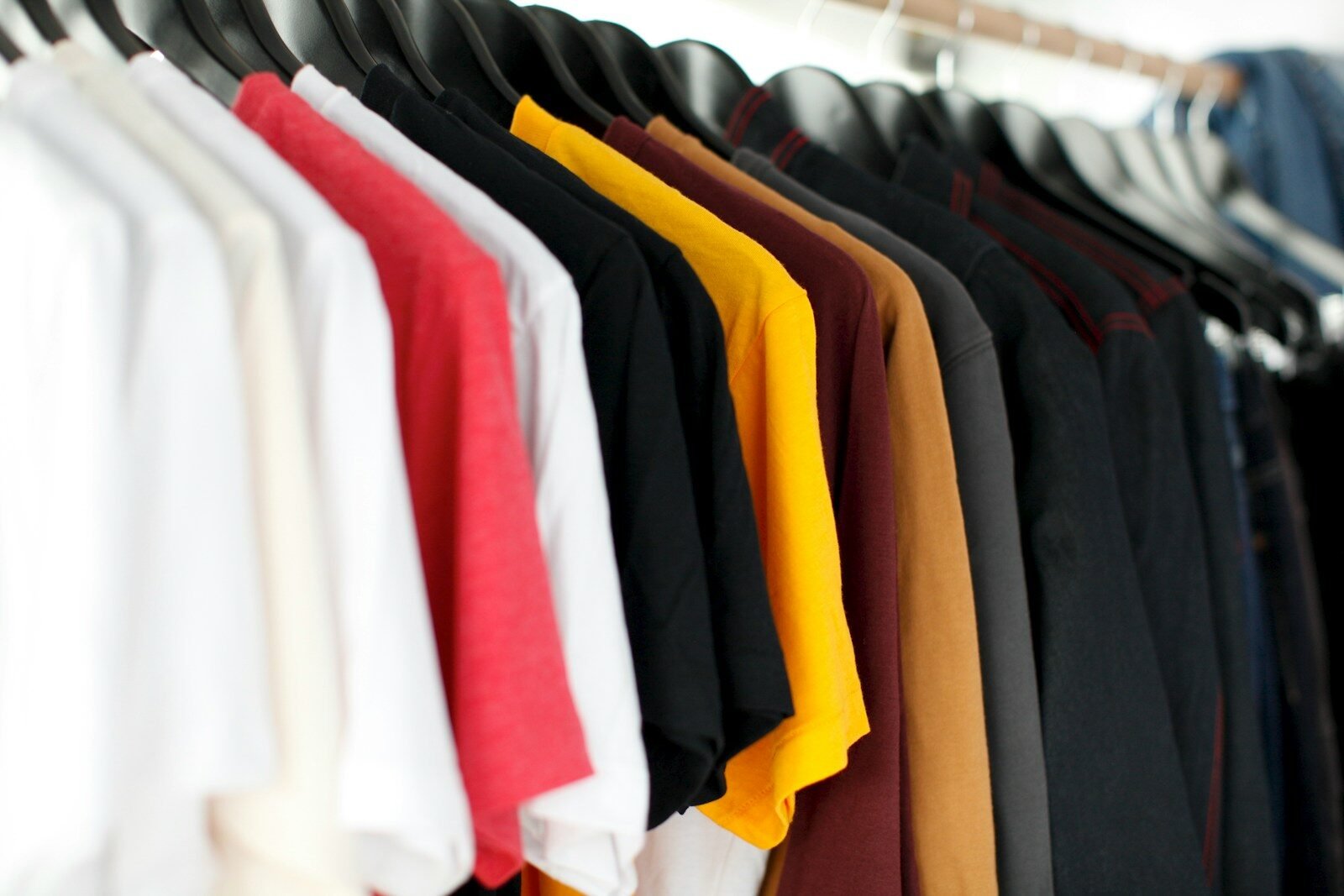
Fabric is where a lot of clubs make decisions they later regret. The cheapest option almost always shows up in performance and durability.
Sublimation Polyester
The most common choice for custom team kits. Sublimation printing bonds dye directly into the fabric fibres, meaning the design won’t crack, peel, or fade the way screen-printed or heat-transfer designs do. You get full-colour prints, sharp gradients, and consistent results at scale.
Sublimation polyester is lightweight, moisture-wicking, and durable — well suited to match day conditions. Standard weight sits around 150–180gsm for jerseys; heavier weights (180–300gsm) are used where durability matters more than speed – forward jerseys, school kit expected to last several seasons.
Performance Blends
Some manufacturers offer polyester-elastane blends (typically 88/12 or 85/15) that add stretch and compression. These are popular for athletic training kits and basketball uniforms. The tradeoff is slightly higher cost and a smaller range of suppliers who can produce them in small quantities.
Cotton Blends
Generally not recommended for competitive match kits. Cotton holds moisture, becomes heavy when wet, and loses shape over a season. If a supplier pushes cotton or cotton-poly blends for a match kit without explanation, that’s worth querying.
Minimum Order Quantities and What They Mean for Your Club
Most custom sports clothing manufacturers set minimum order quantities (MOQs) — the smallest number of units they’ll produce per design. Understanding this avoids wasted budget.
Typical MOQ ranges:
- Screen-printed kits: 10–20 units per design.
- Sublimation kits: Often 10 units per design.
- Cut-and-sew construction (tailored fit): Higher MOQs, typically 30+ units, because the pattern is custom-cut from raw fabric for your size run.
For most club teams and school programmes, sublimation is the most practical option — MOQs are manageable, design flexibility is high, and costs are reasonable at squad-size quantities of 15–30 jerseys.
Read our guide on Buyer’s guide to custom team jerseys
If you’re sourcing custom apparel for your club and working with a tight budget, ask suppliers about per-unit cost at your specific quantity before committing. The jump between 15 and 25 units often makes a meaningful difference to the per-unit price.
How Long Does It Take to Get Custom Sports Uniforms Made?
This is one of the most common questions — and the answer varies more than most clubs expect.
Standard production timelines:
| Stage | Typical Duration |
| Design proofing (back and forth with supplier) *Come with a clear direction. | 7 business days |
| Production (sublimation kits, standard quantity) | 15-28 business days, supplier dependent |
| Shipping (sea freight from manufacturing hub) | 7–21 days destination dependent |
| Shipping (air freight, expedited) | 3–5 days |
| Buffer for delays | 5–7 business days |
Total realistic timeline for a standard order: 8–10 weeks from brief to delivery.
For rugby clubs preparing for a specific competition — particularly rugby 7s tournament kits where the season window is tight — starting the process 10–12 weeks out is the safer approach. Ordering at 6 weeks is possible but leaves no room for error.
Rush production is available from some manufacturers at a premium, typically adding 30%-50% to the base cost. Air freight can also dramatically compress delivery time but adds significant cost at larger quantities.
One rule: never give a supplier a deadline that’s the same as your match day. Build in at least two weeks of buffer.
What the Design Proofing Process Looks Like
Once your brief is submitted, most reputable suppliers will send a digital proof — a visual mockup of your kit in your colours with your design applied.
This is your opportunity to check:
- Colour accuracy (specify Pantone codes if brand consistency is critical — don’t rely on screen colour matching)
- Logo placement and size
- Font choice and sizing for player names and numbers
- Overall proportions of the design
- Any sponsor logo placement and size
Do not approve a proof in a hurry. Walk it past your club president, marketing lead, or kit sponsor before signing off. Mistakes caught at proof stage cost nothing to fix. Mistakes caught after production are expensive.
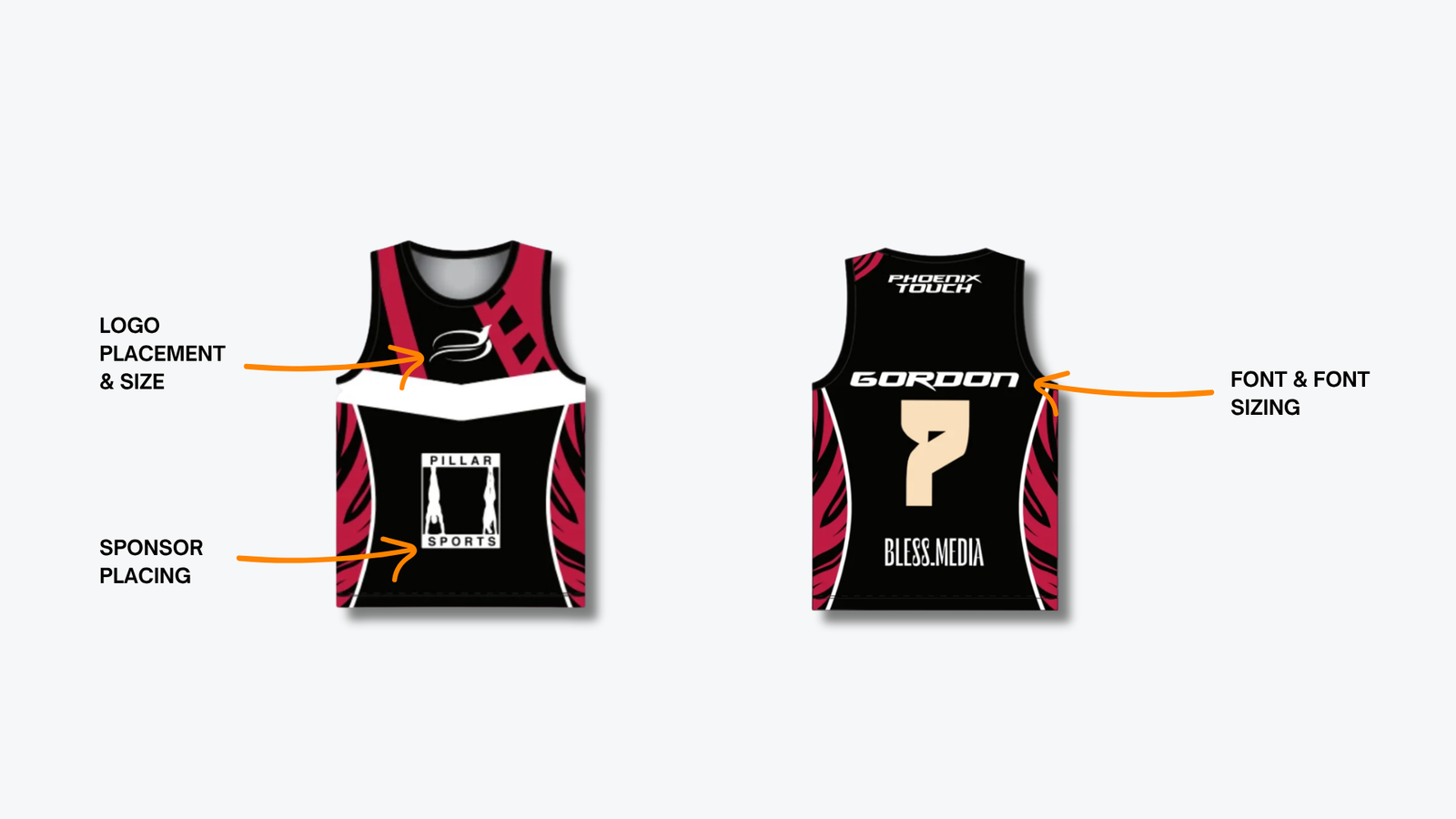
Most suppliers allow two rounds of revisions before additional charges apply. Know this before you start so you don’t burn a revision round on a minor tweak.
What Separates Good Suppliers from Bad Ones
The custom sports apparel market has a lot of manufacturers — and quality varies considerably. Here’s what to look for.
Signs of a reliable supplier:
- They ask detailed questions before quoting, not after
- They provide fabric weight and composition specifications in writing
- They offer physical sample swatches or a sample garment before full production
- They provide a clear timeline broken down by stage
- They have a documented revision policy for proofs
- They can show you previous work in your sport (rugby jerseys, football kits, basketball uniforms, etc.)
- They communicate consistently — not just when chasing your deposit
Red flags:
- Pricing that seems significantly below market rate (usually means cheaper fabric or construction shortcuts)
- No physical samples available
- Vague timelines — a single delivery estimate with no breakdown by stage
- Reluctance to put delivery dates in writing
- Poor communication at the quote stage (this gets worse, not better, during production)
Pillar Sports works with clubs and schools across Hong Kong and Singapore on custom kit programmes. When you’re evaluating suppliers, it’s worth understanding exactly what you’re getting for your budget — not just the price.
Sport-Specific Considerations
Different sports have different construction requirements that go beyond “make it our colour.”
Rugby
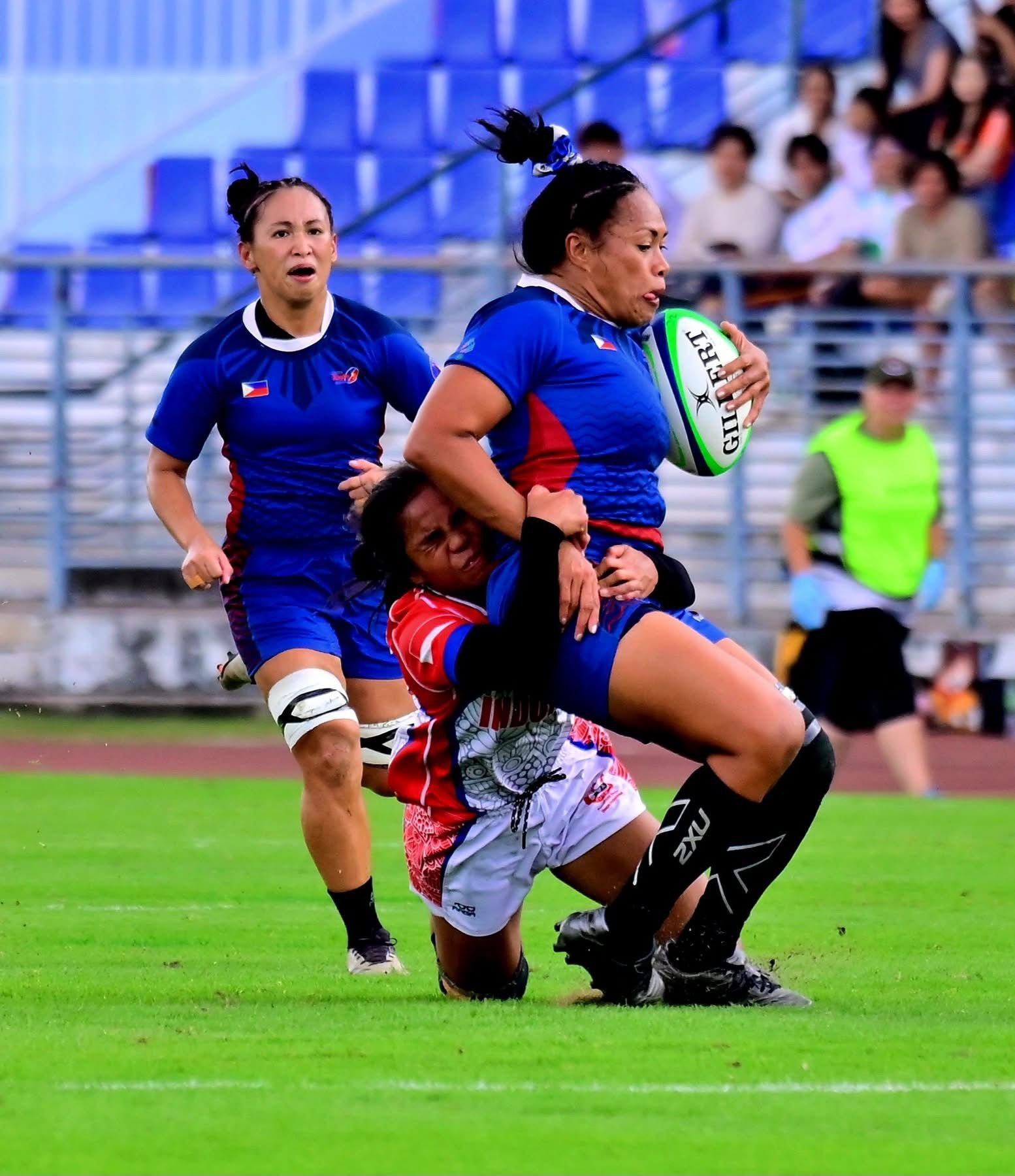
Rugby jerseys take more physical punishment than almost any other sport. Collar reinforcement, shoulder seam strength, and grip panels on the arms and chest all matter — particularly for forwards. For clubs investing in custom rugby kits, it’s worth specifying garment construction standards, not just design preferences.
Football
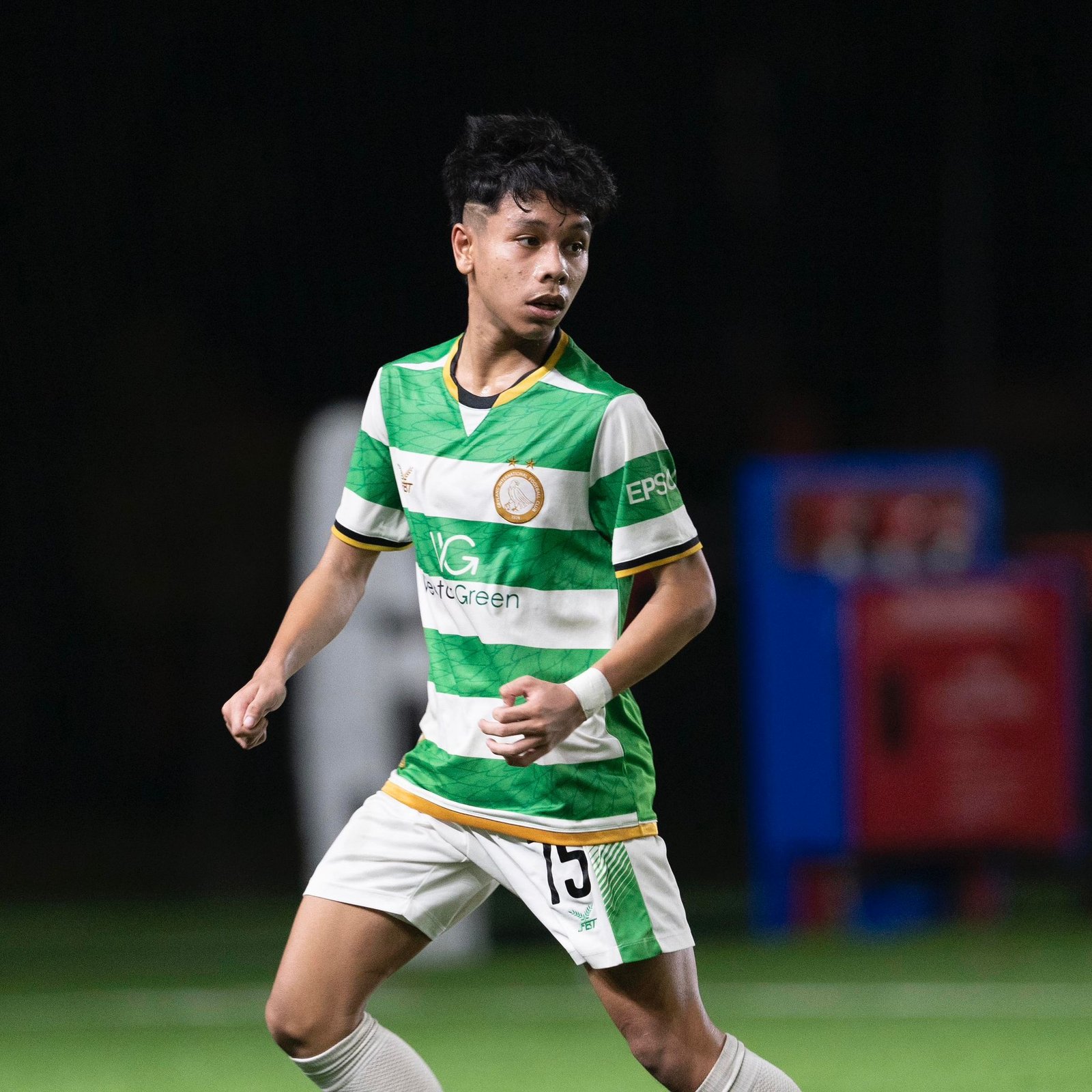
Football kits are the most widely produced and competitively priced category. The main considerations are weight (lighter is generally preferred for speed), sleeve length options, and whether you need goalkeeper kits in a different colourway. For custom team jerseys in football, sublimation offers the widest design flexibility.
School Sports Programmes
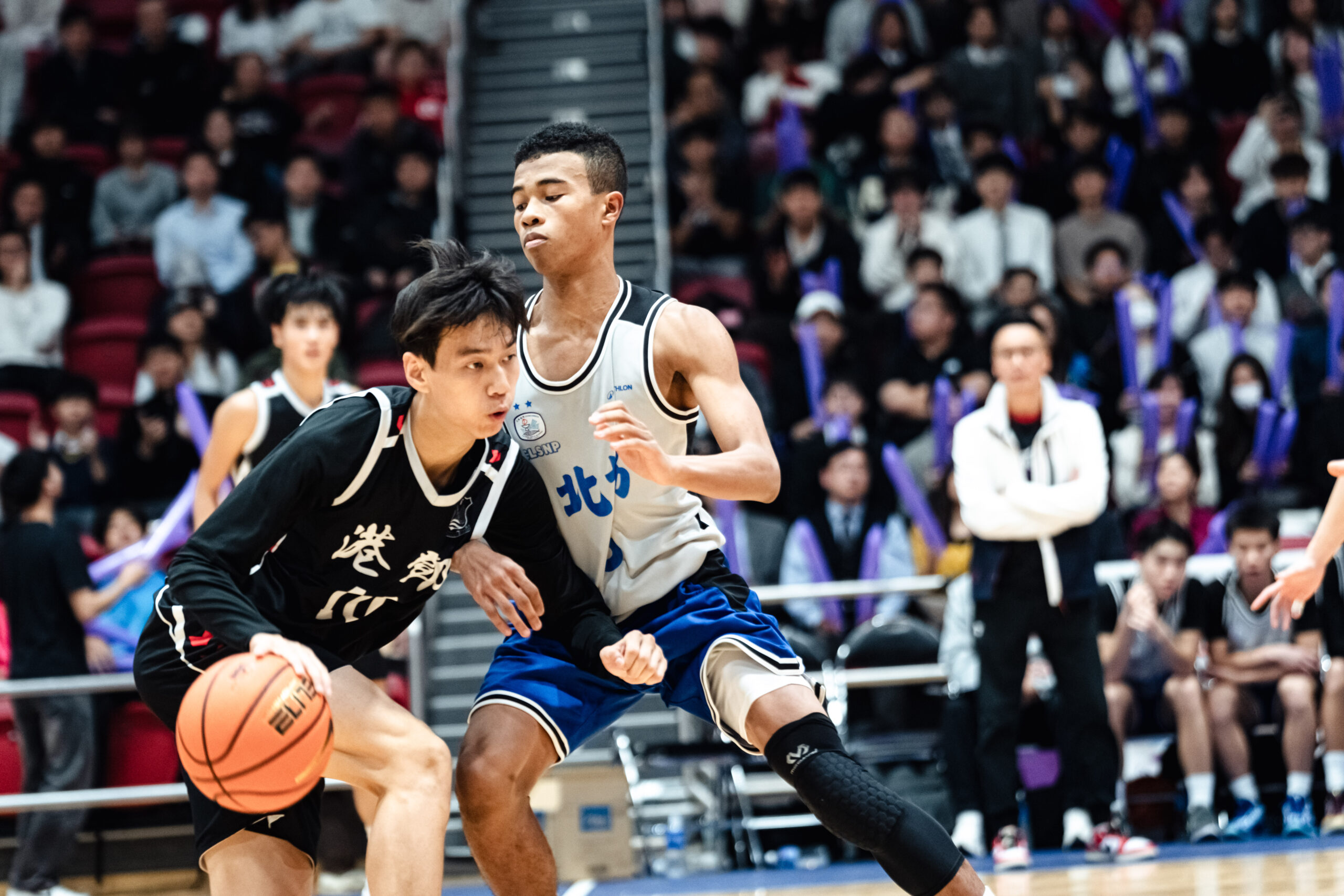
School kit orders often involve a wider size range (adult and junior sizing), stricter budget constraints, and a greater emphasis on durability over performance. For school sports uniforms, it’s also common to need multiple sports covered under one supplier relationship — football, basketball, and track — which affects how you structure your supplier brief and pricing negotiation.
Frequently Asked Questions
Cost depends on quantity, construction type, and customisation level. Sublimation jerseys at club quantities (15–30 units) typically range from USD $20–$45 per jersey. Cut-and-sew construction with performance fabrics runs higher — USD $40–$70+ per piece. Shorts, socks, and accessories are priced separately. Get itemised quotes before committing to a supplier.
Yes. Most sublimation suppliers can accommodate orders of 10–15 units, sometimes fewer. Cost-per-unit will be higher than at larger quantities, but it’s workable. If you’re part of a larger association or league, pooling an order with other clubs is worth considering.
Yes. Suppliers need vector files — Adobe Illustrator (.AI) or Encapsulated PostScript (.EPS) — for clean logo reproduction at any size. A JPEG or PNG version of your logo will degrade during production. If your club only has low-resolution logo files, a graphic designer can recreate them in vector format, which is worth doing before you start any kit production process.
A reputable supplier will reprint at their cost if the finished product doesn’t match the approved proof within agreed tolerances. Get this in writing before you pay the deposit. If a supplier won’t commit to this in writing, that’s a significant red flag.
Yes, most suppliers can handle smaller top-up orders, though the per-unit cost will be higher than your original batch. Keep your original design files and supplier specifications saved — you’ll need them to match exactly.
Stock kits are off-the-shelf uniforms with a standard design that you can brand with a badge or number. Custom sports apparel is made to your specific design, colours, and construction requirements. Stock kits are faster and cheaper; custom kits reflect your club’s identity and hold up better to repeated match-day use.
Final Thoughts
Ordering custom sports uniforms is a process, not a transaction. The clubs and schools that do it well start early, brief thoroughly, proof carefully, and choose suppliers based on track record rather than price alone.
For rugby clubs and schools and athletic programs in Hong Kong and Singapore, Pillar Sports handles custom kit orders across a range of sports. We work through the brief with you, manage the production process, and deliver to both markets directly.
If you’re planning a kit order for the upcoming season — or want to understand what’s possible within your budget — we’re worth talking to before you commit to anything.
Ready to design your kit? Request a quote
Running a school sports programme? Get in touch with our schools team
Sources